


In our earlier blog this week we gave an overview of the use of carbon filters in the process industries, Here we provide a quick recap of the essentials on carbon filters, and then give a number of real world examples of where and how carbon filters are making a big difference.
The Essentials of Carbon Filtration
Carbon cartridge filters are widely used throughout the process industries as a practical and cost‑effective way of removing dissolved contaminants that cannot be captured by conventional particulate filtration. While they are often viewed as a simple “polishing” step, activated carbon cartridges frequently play a critical role in protecting downstream processes, ensuring product quality, and meeting regulatory requirements.
This article provide six real life uses and shows how carbon filters are applied, explaining where they are used across different industries and the problems they solve,
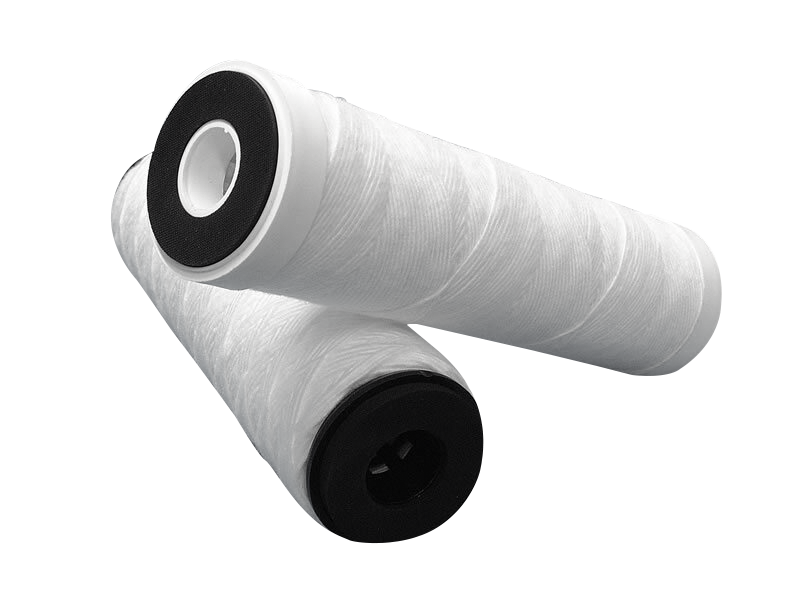
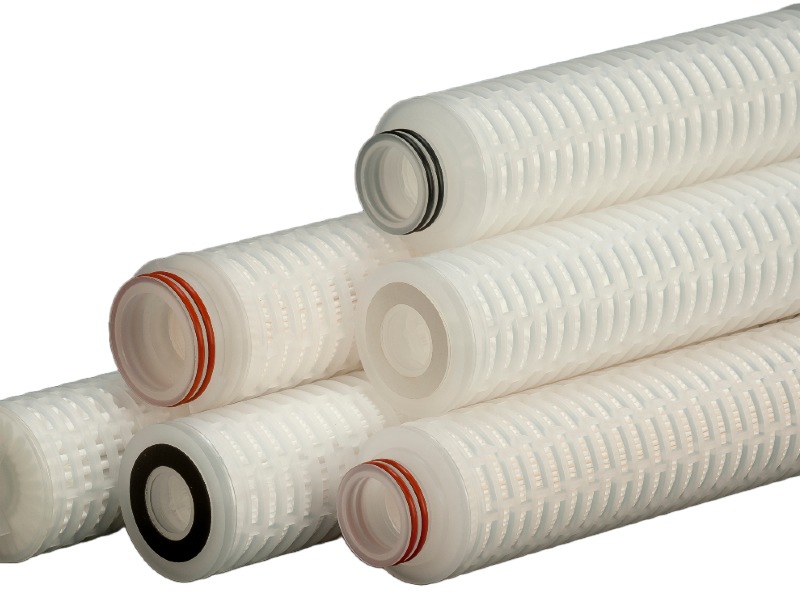
A carbon cartridge filter is a pressure‑rated cartridge containing activated carbon, typically in one of three formats:
- Granular Activated Carbon (GAC) packed into a cartridge
- Carbon block (sintered carbon powder bonded into a solid structure)
- Impregnated or specialty carbons designed to target specific contaminants
Unlike depth or membrane filters, carbon cartridges primarily remove contaminants by adsorption, not size exclusion. Dissolved molecules adhere to the internal surface of the carbon, which can exceed 1,000 m² per gram.
How Carbon Cartridge Filters Work
Activated carbon removes contaminants through a combination of:
- Adsorption – organic compounds and oxidants bond to the carbon surface
- Catalytic reduction – common for chlorine and chloramine removal
- Physical entrapment – limited particulate removal, depending on cartridge construction
Real-World Process Problems Solved by Carbon Cartridge Filters
Below are examples of real, commonly encountered problems across the process industries, explaining not just what carbon cartridges remove, but why they are specified and what happens when they are not.
1. Premature RO Membrane Failure Due to Chlorine or Chloramine
The real-world problem:
A pharmaceutical or beverage plant installs a new RO system fed from municipal water. Within months, salt rejection drops and membrane life is far shorter than expected. Autopsies show oxidative damage to the membrane surface.
Root cause:
Even low residual levels of free chlorine or chloramine will irreversibly damage polyamide RO membranes. In many cases, the water supply meets drinking water standards but is completely unsuitable for membranes.
How carbon cartridge filters solve it:
Carbon cartridges upstream of the RO chemically reduce chlorine and chloramine before they contact the membrane. For low to medium flows, cartridges are often preferred over large carbon vessels due to faster response, easier validation, and lower capital cost.
What happens if misapplied:
If flow is too high or contact time too short, oxidant breakthrough occurs silently—often only detected once membrane damage has already happened.
2. Taste and Odour Failures in Beverage Production
The real-world problem:
A brewery or soft drink producer experiences inconsistent flavour profiles between production batches, despite using the same raw ingredients and recipes.
Root cause:
Trace organics, chlorine by-products, or seasonal changes in municipal water chemistry introduce compounds that affect taste and aroma at extremely low concentrations.
How carbon cartridge filters solve it:
Activated carbon adsorbs these organic molecules, stabilising incoming water quality and ensuring consistency. Cartridge formats are often used close to the point of use to minimise recontamination.
What happens if misapplied:
Undersized cartridges exhaust quickly, leading to sudden taste defects that may only be detected after packaging.
3. Printing Defects and Colour Instability in Digital Ink Systems
The real-world problem:
A digital printing operation experiences nozzle fouling, colour drift, or inconsistent curing behaviour in inkjet systems.
Root cause:
Trace organic contaminants or oxidants in make-up water interact with sensitive ink formulations, destabilising pigments or binders.
How carbon cartridge filters solve it:
Carbon cartridges remove low-level organics and oxidants upstream of ink preparation, improving ink stability and protecting high-value print heads.
What happens if misapplied:
Carbon fines or insufficient prefiltration can introduce particulates that worsen nozzle blockage rather than solving it.
4. Degradation of Ion Exchange Resins in High-Purity Water Systems
The real-world problem:
An electronics or pharmaceutical site sees reduced run lengths and higher regeneration frequency in ion exchange beds.
Root cause:
Oxidants and organic fouling agents attack resin functional groups, reducing exchange capacity and increasing operating cost.
How carbon cartridge filters solve it:
Carbon cartridges upstream adsorb organics and remove oxidants, significantly extending resin life and stabilising water quality.
What happens if misapplied:
If carbon capacity is not monitored, resin damage may resume without obvious warning.
5. Hydrocarbon Contamination in Process or Waste Streams
The real-world problem:
A manufacturing plant discharging to sewer fails consent limits for hydrocarbons or VOCs, despite meeting particulate specifications.
Root cause:
Dissolved hydrocarbons and solvents pass straight through mechanical filtration systems.
How carbon cartridge filters solve it:
Specialty activated carbons adsorb hydrocarbons and VOCs, enabling compliance without major plant modifications.
What happens if misapplied:
Breakthrough can occur rapidly if influent concentrations spike beyond design assumptions.
6. Product Discolouration in Food, Chemical, or Cosmetic Processes
The real-world problem:
A finished product that initially meets specification gradually develops a yellow, brown, or hazy appearance during storage or after filling. Customer complaints increase, shelf life is reduced, or batches are rejected despite meeting all particulate and microbiological requirements.
Root cause:
Very low levels of dissolved organic compounds, degradation by-products, or colour bodies remain in the process fluid. These compounds are often invisible during production but continue reacting or oxidising over time, leading to delayed discolouration.
How carbon cartridge filters solve it:
Carbon cartridge filters are used as a final polishing step to adsorb trace organics and colour-causing compounds before packaging. Positioned close to the point of fill, they help stabilise product appearance throughout its intended shelf life.
What happens if misapplied:
Using carbon as a corrective measure without addressing upstream process control can mask deeper issues. Undersized cartridges may also exhaust rapidly, allowing colour drift to reappear unexpectedly.
Strengths of Carbon Cartridge Filters
Broad Contaminant Removal Capability
-
Carbon cartridges can remove a wide spectrum of contaminants that traditional particulate filters cannot address.
Simple Installation and Operation
-
They fit into standard cartridge housings and require no power, controls, or complex instrumentation.
Scalable and Modular
-
Multiple cartridges can be installed in parallel to handle higher flow rates or redundancy requirements.
Cost‑Effective for Low to Moderate Flows
-
For many process streams, cartridge‑based carbon is far more economical than large carbon vessels.
Fast Deployment
Carbon cartridges are ideal for:
- Pilot plants
- Temporary systems
- Seasonal or variable production
Final Thoughts
Carbon cartridge filters are a powerful and versatile solution for solving problems that conventional filters simply cannot address. When correctly specified and supported by adequate prefiltration, they deliver reliable removal of chlorine, organics, taste and odour compounds, and trace contaminants across a wide range of process industries.
However, they are not a fit‑and‑forget technology. Understanding their limitations—particularly around capacity, flow rate, and monitoring—is essential to avoid unexpected breakthrough and process disruption.
Used wisely, carbon cartridge filters remain one of the most effective tools available to process engineers looking to protect equipment, stabilise processes, and safeguard product quality.
If you have any questions on carbon filtration or carbon solutions more generally, then give us a call or send us an email - we’d be more than happy to help.
You can also read part 1 of this blog series; How Carbon Cartridge Filters Are Used Across the Process Industries plus other useful articles below:
- Activated Carbon Cartridge Filters: How They Work & Where To Use Them
- Activated Carbon Filtration: Your Questions Answered
- Cartridge Filtration: A Key Technology in Water Treatment Plants
- And you can browse our full range of Carbon Filters here.
PoreFiltration – Making your filtration systems work harder