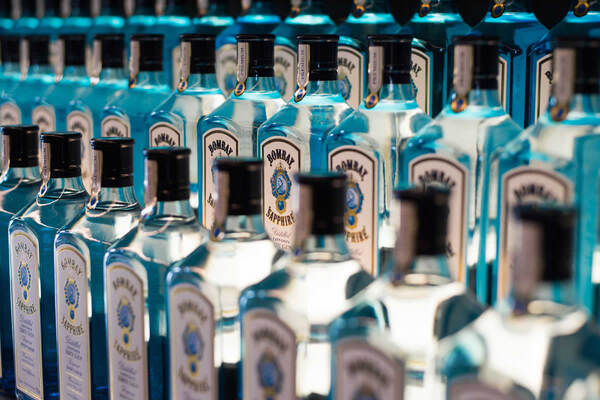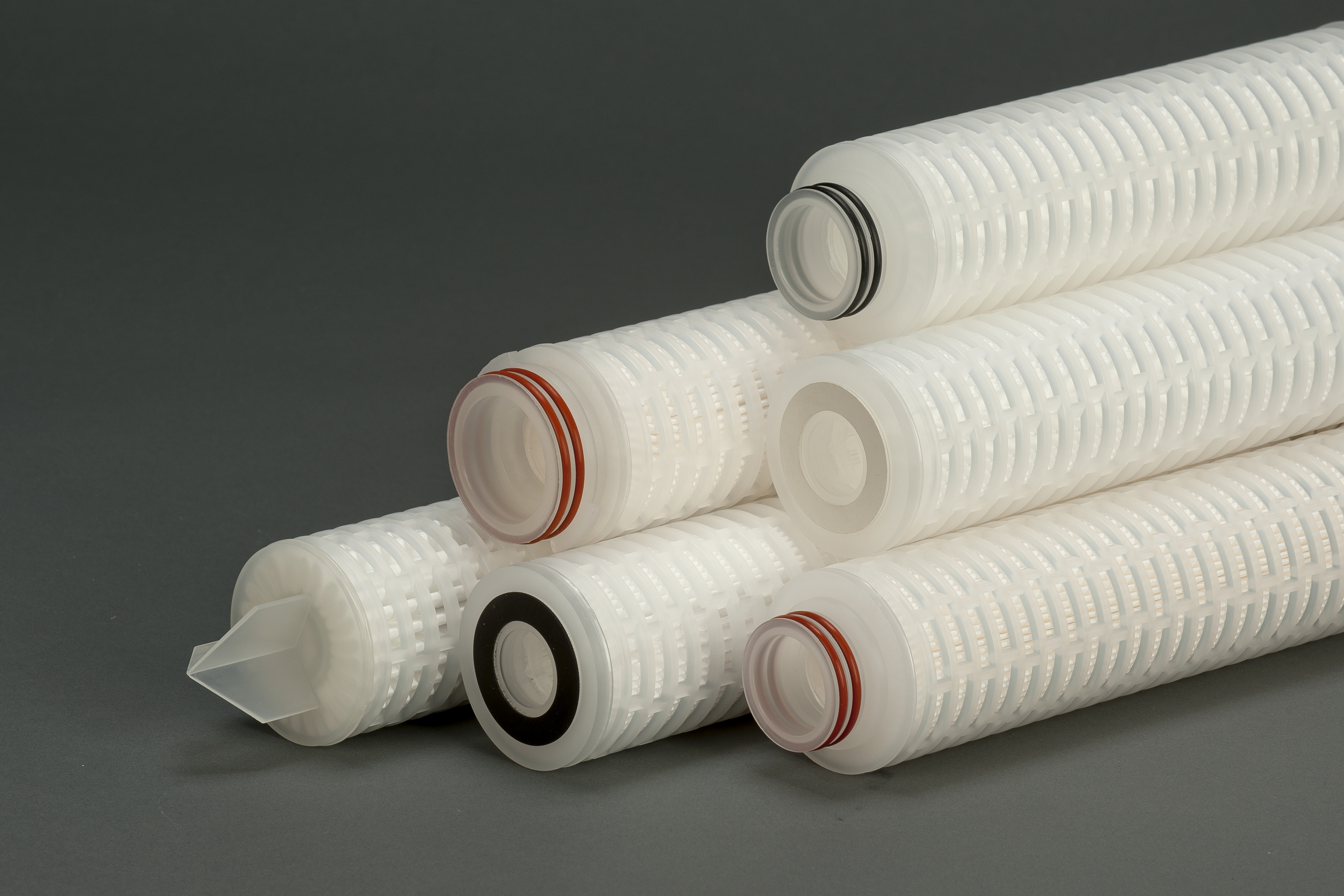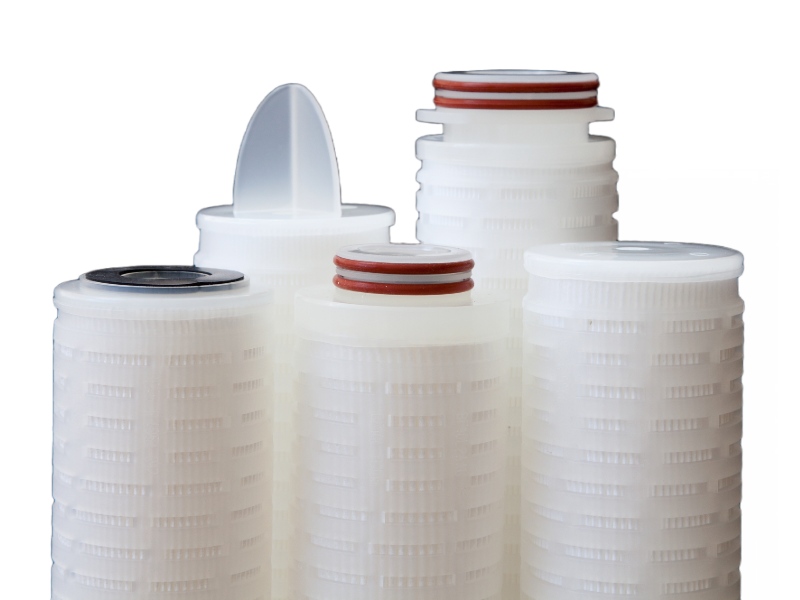



Below are two case studies one for light spirits and the other for dark spirits explaining the challenges faced and the optimum solution. Aimed at offering clear and practical advice for engineers, production managers, and technically competent distillery staff.
Case Study 1: Light Spirits (Vodka / White Rum / Gin)
Application Overview
Product: Vodka (40% ABV)
Objective: Final polish filtration before bottling
Challenges:
- Chill haze after cold storage
- Carbon fines carryover
- Sub-micron particulate
- Maintaining clarity without flavour stripping
Light spirits are expected to be brilliantly clear. Consumers associate haze with contamination — even though chill haze is usually harmless.
Process Background
After distillation, vodka typically undergoes:
- Carbon treatment (powdered or granular)
- Dilution to bottling strength
- Possible cold stabilization (-1°C to -5°C)
- Final filtration before bottling
At low temperatures, fatty acid esters and trace oils become less soluble and form microscopic particles.
These particles are:
- Sub-micron to ~2 micron
- Soft and deformable
- Temperature dependent
Filtration Strategy
Stage 1 – Carbon Removal
Filter Type: Depth cartridge (nominal 5–10 µm)
Purpose: Remove carbon fines without blinding final filter
Why depth?
Carbon fines are irregular and deformable. A pleated surface filter would blind rapidly.
Key Parameters:
- Flow rate: 3–5 L/min per 10" cartridge
- ΔP change-out: 1.5–2.0 bar
- Absolute rating not required at this stage
Stage 2 – Chill Haze Removal (Polishing)
Filter Type: Absolute-rated pleated cartridge
Typical Rating: 0.45 µm or 0.65 µm
Why absolute?
Final clarity must be consistent and validated.
Why pleated?
- High surface area
- Predictable retention
- Lower extractables vs depth media
Critical Control Points:
- Filter at same temperature as product storage
- Avoid warming before filtration
- Pre-flush cartridges with spirit-compatible fluid
Observed Problems & Solutions
|
Problem |
Root Cause |
Solution |
|
Haze returns after bottling |
Filtered at ambient but stored cold |
Filter at 0–5°C |
|
Short cartridge life |
No carbon pre-filtration |
Add 5–10 µm depth stage |
|
Alcoholic “plastic” taint |
Incompatible filter materials |
Use PP or PES media validated for ethanol |
Performance Results After optimisation:
- Visual clarity improved (NTU < 0.2 typical)
- Cartridge life increased 3×
- Reject rate at QC reduced to near zero
- Bottling downtime reduced
Case Study 2: Dark Spirits (Whisky / Aged Rum / Cognac)
Application Overview
Product: Aged whisky (43% ABV)
Objective: Stabilisation without removing colour or flavour compounds
Challenges:
- Chill haze from long-chain esters
- Barrel char particles
- Preservation of mouthfeel
- Avoid stripping congeners
Unlike vodka, dark spirits contain:
- Wood-derived compounds (lignins, tannins)
- Natural colour bodies
- Fatty acids and esters
- Colloidal material
Over-filtration can damage brand character.
Process Background
After maturation:
- Spirit is diluted to bottling strength
- Often chill filtered at 0°C to 4°C
- Filtered prior to bottling
Chill haze in whisky forms from:
- Ethyl esters
- Fatty acid complexes
- Wood extractives
These particles:
- Are larger than in vodka
- Are softer and gelatinous
- Can compress within filter structure
Filtration Strategy
Stage 1 – Coarse Stabilisation
Filter Type: Depth cartridge
Rating: 1–5 µm nominal
Purpose:
- Remove barrel char
- Capture bulk precipitates
- Protect final filter
Depth filters work well here because:
- Colloids deform
- Particles are broad in size distribution
- Flow is moderate
Stage 2 – Chill Filter / Final Polish
Filter Type: Absolute pleated 0.65–1.0 µm
Why not 0.45 µm?
- Too tight = flavour stripping risk
- Excess removal of desirable congeners
- Reduced mouthfeel
Many premium brands now avoid chill filtration entirely for flavour reasons, accepting slight haze.
Critical Control Considerations
1. Temperature Stability
Filter at the same temperature as expected distribution environment.
2. Avoid Over-Pressure
Gel-like particles can compress and pass through at high ΔP.
Recommended:
- Maintain ΔP below 1.5 bar
- Use staged filtration
3. Media Compatibility
Ensure:
- Low extractables
- No glycerine leaching
- No flavour scalping
Observed Problems & Solutions
|
Problem |
Root Cause |
Solution |
|
Loss of mouthfeel |
Over-tight final filtration |
Move from 0.45 µm to 0.65–1.0 µm |
|
Rapid filter blocking |
No depth pre-stage |
Add 3 µm depth cartridge |
|
Colour lightening |
Excess adsorption |
Switch to low-adsorptive PP media |
Performance Results After process adjustment:
- Visual haze eliminated at 4°C storage
- Sensory panel confirmed flavour retention
- Filter life doubled
- Consistent batch clarity achieved
Technical Comparison: Light vs Dark Spirit Filtration
|
Parameter |
Light Spirits |
Dark Spirits |
|
Consumer Expectation |
Brilliant clarity |
Clarity + flavour integrity |
|
Typical Final Rating |
0.45–0.65 µm |
0.65–1.0 µm |
|
Risk of Flavour Loss |
Low |
High |
|
Particle Type |
Fine & sub-micron |
Larger, colloidal |
|
Use of Depth Media |
Pre-stage only |
Essential stabilisation stage |
|
Adsorption Risk |
Minor |
Critical |
Engineering Takeaways
- Temperature is as important as micron rating.
- Absolute ratings matter in final polish stages.
- Over-filtration is a bigger risk in dark spirits.
- Depth + pleated staged systems outperform single-stage systems.
- Alcohol compatibility validation is essential.
If you have any questions about spirit filtration then give us a call or send us an email - we’d be more than happy to help.
And here are a few more blogs and links that you might find useful:
- Choosing the Right Cartridge Filters for Prefiltration
- Membrane Cartridge Filters Explained by Micron Rating
- Membrane Vs Depth Filtration in Micro-Filtration: A Technical Comparison
- And here you can browse our full range of Depth Filters and Pleated Filters.
PoreFiltration – Making your filtration systems work harder