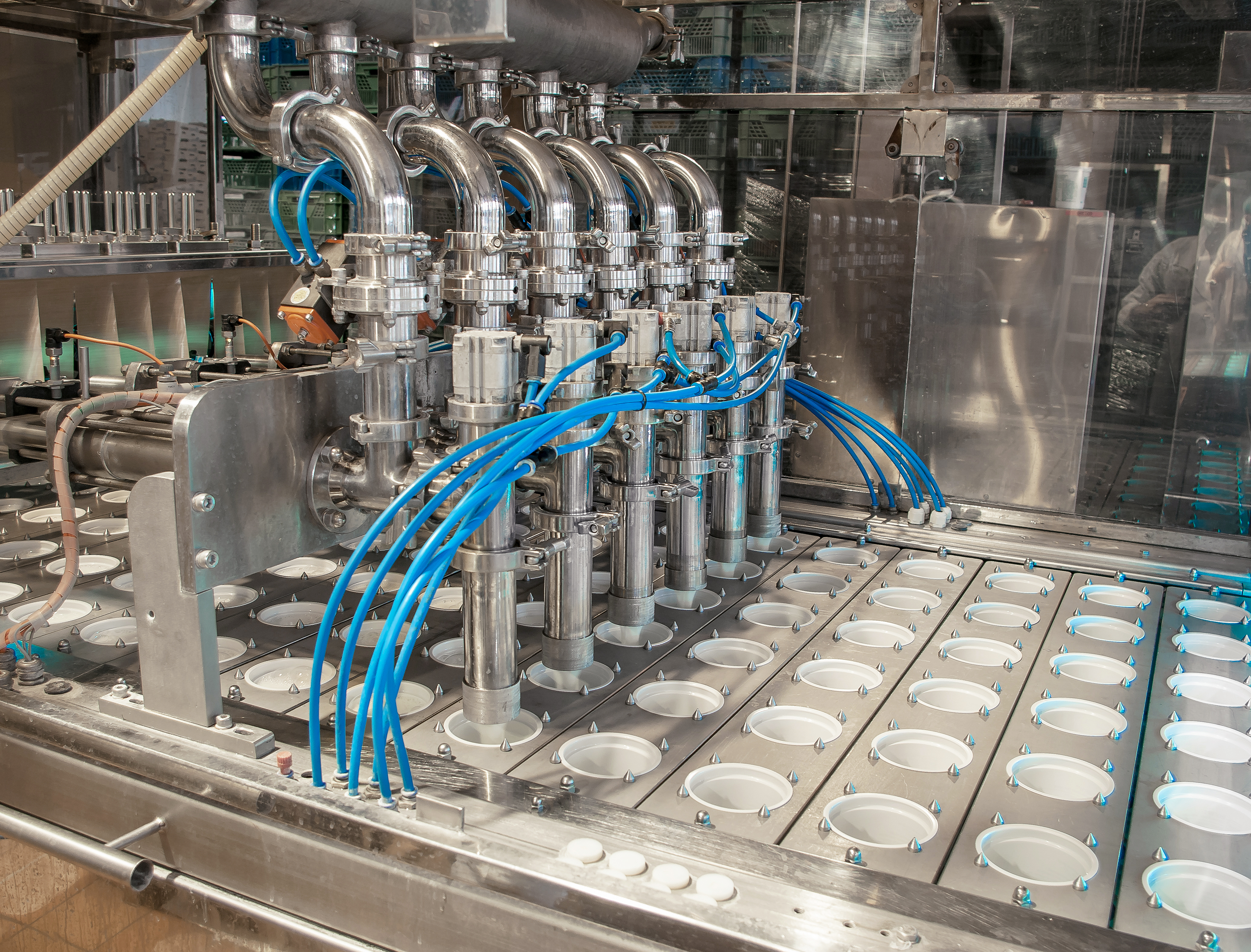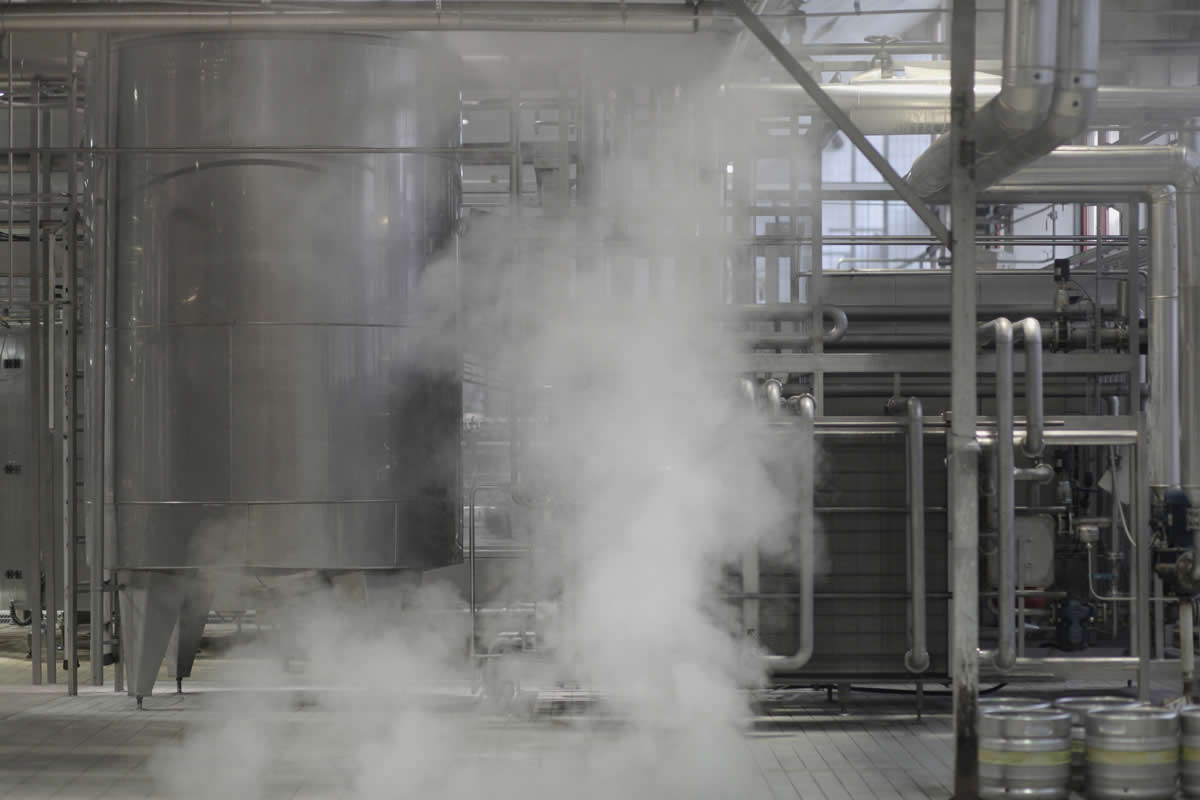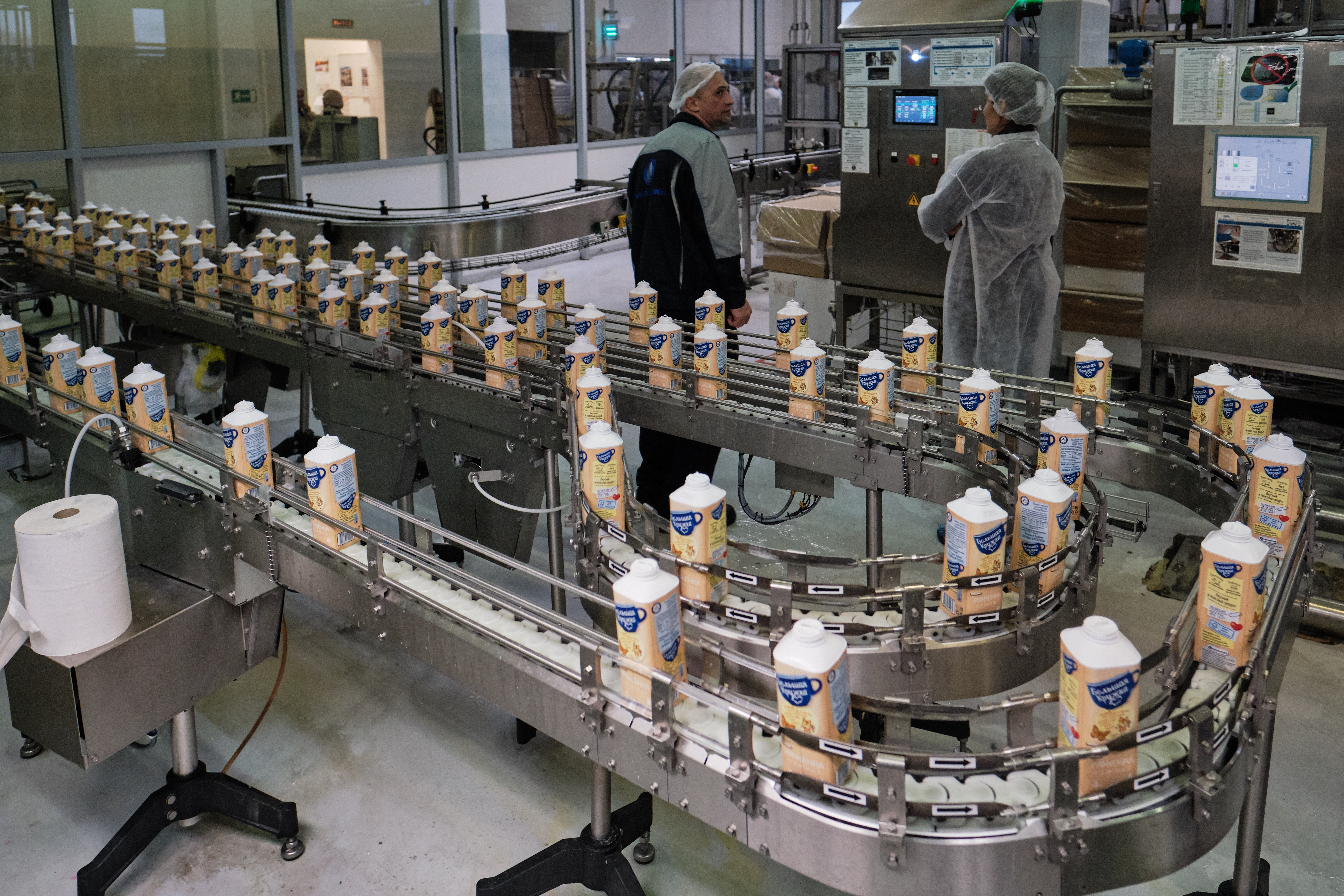



Steam sits at the heart of most food and beverage production facilities. It’s used for heating, sterilising, cooking, cleaning, and even direct product contact. Its natural sterility—thanks to high temperature—makes it an ideal processing medium.
But there’s an important distinction to make:
Steam may be sterile at generation, but it is not automatically clean at the point of use.
As steam travels through a system, its quality can deteriorate. Without proper control and filtration, it can carry contaminants that impact product integrity, operational efficiency, and compliance.
Understanding Steam Quality in Practice
The condition of steam at the point of use depends on several factors:
- The quality of incoming boiler feedwater
- The way steam is generated
- The condition and design of the distribution network
Even well-maintained systems can introduce unwanted contaminants into the steam before it reaches its final application.
Where Do Problems Typically Arise?
Condensate Carryover
As steam loses heat, it naturally forms condensate. If not properly managed, this liquid phase creates several issues:
- Mechanical stress: Sudden movement of condensate (water hammer) can damage pipework and fittings
- Reduced efficiency: Wet steam delivers less effective heat transfer
- Inconsistent processing: Particularly problematic in sterilisation or heating applications
While separators and steam traps remove most condensate, fine droplets and entrained impurities can still remain—requiring final-stage filtration.
Boiler Treatment Chemicals
Chemical dosing is a standard part of boiler operation, helping to:
- Prevent corrosion
- Control scaling
- Extend equipment life
However, certain additives can vaporise and travel with the steam. This introduces a key consideration:
- For indirect applications, this may be acceptable
- For direct or product-contact uses, it can present both safety and regulatory challenges
Managing chemical carryover is therefore essential, especially in food-grade processes.
System-Derived Particles
Steam systems are rarely pristine environments. Over time, they can introduce:
- Corrosion by-products (e.g. rust)
- Pipe scale
- Installation debris or maintenance residues
These particles can:
- Contaminate food products
- Affect taste, appearance, or texture
- Block small orifices, valves, and spray nozzles
- Increase maintenance frequency and downtime
This is why filtration close to the point of use is considered best practice.
Matching Filtration to the Application
Not all steam applications require the same level of control. The filtration strategy should align with how the steam is being used.
Plant Steam: Protecting Equipment
Plant steam is typically used where there is no direct contact with food products, such as:
- Heat exchangers
- Steam tracing
- Retorts
- General equipment cleaning
Here, the priority is maintaining system performance.
- Goal: Prevent fouling and maintain heat transfer efficiency
- Typical filtration range: 10–25 microns
Removing particulates helps avoid blockages and protects critical components.
Culinary Steam: Safeguarding the Product
Culinary steam is used where steam either:
- Comes into direct contact with food, or
- Contacts surfaces that touch the product
Applications include:
- Direct injection heating
- Blanching and peeling
- Steam infusion and sparging
- Sterilisation (SIP)
- Packaging processes
In these cases, steam must be:
- Clean and free from particulates
- Low in moisture content
- Suitable for food contact
Industry guidance such as 3-A Accepted Practice 609-03 outlines how culinary steam systems should be designed and filtered.
- Goal: Ensure product safety, quality, and compliance
Clean Steam: Maximum Purity
Clean steam represents the highest level of steam quality and is typically reserved for sensitive applications like:
- Baby food production
- Organic processing
- High-purity operations
These systems are characterised by:
- High-grade source water
- No chemical additives
- Stainless steel construction
- Full system segregation
Because contamination risks are tightly controlled at source, additional filtration is often minimal.
The Value of Effective Steam Filtration
Installing the right filtration solution delivers benefits across multiple areas of production:
Product protection
Removes particles that could affect flavour, appearance, or safety.
Regulatory confidence
Supports compliance in direct-contact applications and aligns with industry standards.
Process reliability
Reduces the risk of blocked components and inconsistent performance.
Operational efficiency
Maintains optimal heat transfer and minimises downtime.
Asset longevity
Protects critical equipment from erosion, fouling, and damage.
Why Point-of-Use Filtration Matters
Even with good upstream practices, contamination can still occur within the distribution system. That’s why final filtration at the point of use is so important.
It acts as:
- A final safeguard against system-generated debris
- A guarantee of steam quality where it directly impacts the process
- A simple but highly effective risk reduction measure
The PoreFiltration Perspective
PoreFiltration’s steam filtration solutions are built to perform in demanding food and beverage environments. Our systems are designed to:
- Operate reliably under high temperature and pressure conditions
- Deliver consistent particulate removal at critical control points
- Withstand thermal cycling and mechanical stress
- Provide long service life with cleanable, regenerable elements
Summary
Steam is indispensable in food manufacturing—but its effectiveness depends entirely on its quality at the moment it is used.
Without proper filtration, steam can introduce risks that compromise:
- Product quality
- Food safety
- Equipment reliability
With the right approach—combining system design, condensate management, and targeted point-of-use filtration—manufacturers can ensure their steam remains an asset, not a liability.
If you have any questions about steam or final filtration, then give us a call or send us an email - we’d be more than happy to help.
And here are a few more blogs and links that you might find useful:
- Process Cartridge Filters for Gas & Steam Applications
- Demystifying Culinary Steam Filtration
- Membrane Cartridge Filters & the Options Available for Sterile or Final Filtration
- And here you can browse our full range of Sterile Gas & Vent Filters, Gas Filter Housings and Stainless Steel Filters
PoreFiltration – Making your filtration systems work harder