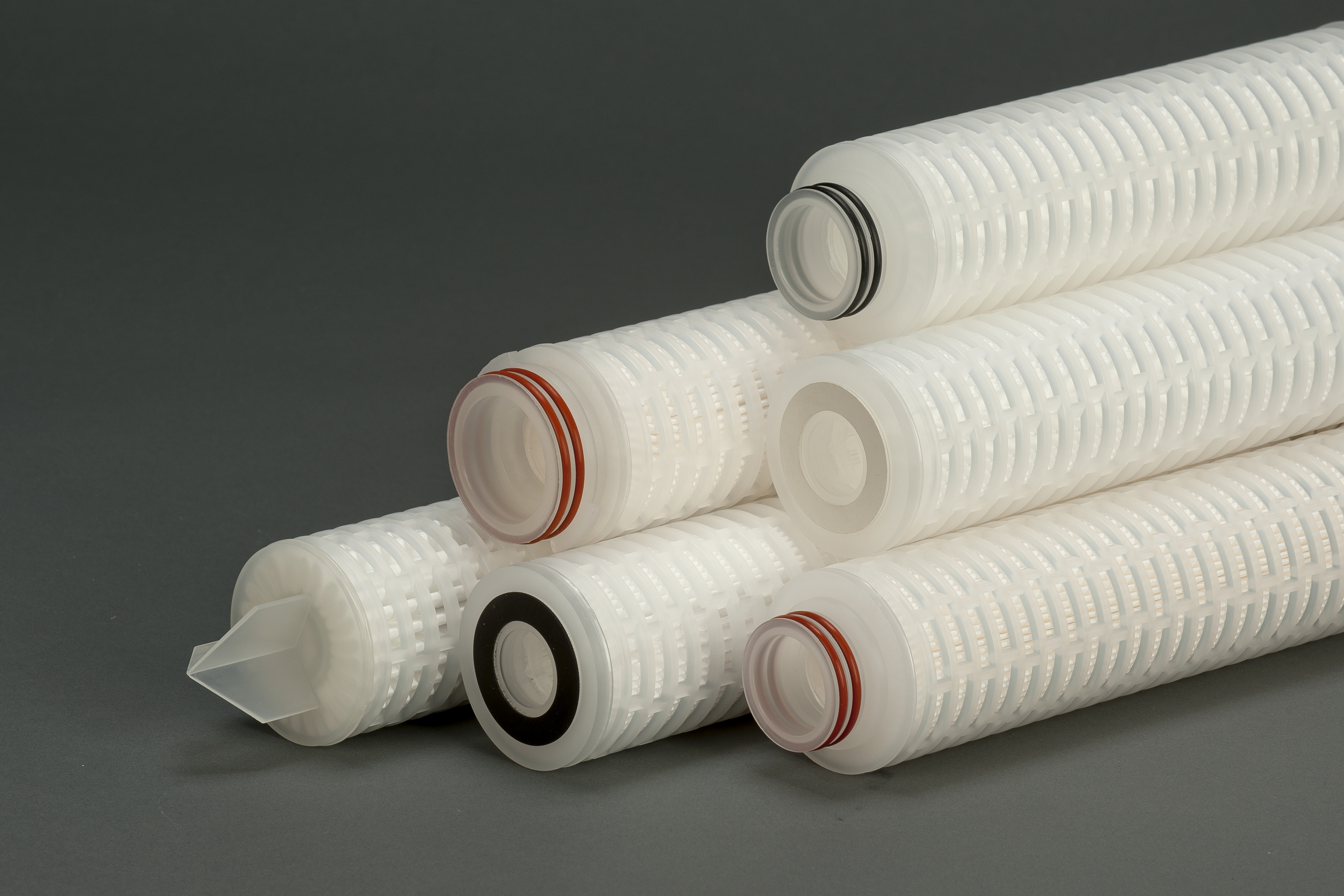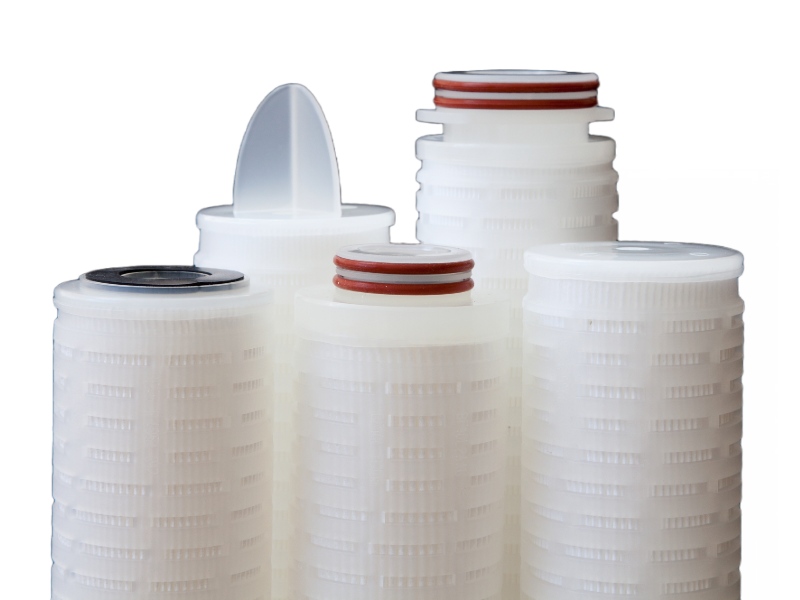



Sterile gas filtration is essential in industries where contamination control is critical. Pharmaceutical manufacturing, food and beverage production, fermentation processes and water treatment systems all rely on sterile compressed gas and tank vent filtration to maintain product quality and regulatory compliance.
Modern cartridge filtration systems provide a highly reliable and cost-effective method for removing microorganisms, particles and aerosols from compressed air and process gases.
This guide explains:
- How sterile gas cartridge filters work
- The best filter media for sterile gas applications
- How housing design affects performance
- Key considerations for vent filtration, compressed air filtration and steam filtration
1. What is Sterile Gas Filtration?
Sterile gas filtration is the process of removing microorganisms and particulates from gases using membrane or depth filtration technologies.
Typical gases filtered include:
- Compressed air
- Nitrogen
- Carbon dioxide
- Fermentation air
- Tank vent air
In critical applications, sterile filtration typically requires 0.2 µm rated membrane filters capable of retaining bacteria and spores.
Why Sterile Gas Filtration is Important
Unfiltered gas can introduce contamination such as:
- Bacteria
- Wild yeast
- Mold spores
- Oil aerosols
- Dust particles
- Condensate-borne contaminants
If these contaminants enter a process system they can cause:
- Product spoilage
- Batch loss
- Fermentation failure
- Regulatory non-compliance
- Equipment fouling
This is why validated sterile gas cartridge filters are standard in regulated industries.
2. Key Applications for Sterile Gas Cartridge Filters
Sterile gas filtration is widely used in:
Pharmaceutical Manufacturing
- Sterile air for fermentation
- Vessel vent protection
- Sterile nitrogen blanketing
- Autoclave break filtration
Food and Beverage Processing
- Sterile compressed air for product contact
- Tank vent filters for storage vessels
- Fermentation air filtration
Dairy Processing
- Sterile air for packaging
- Tank vent filtration
- Process gas filtration
Water Treatment Systems
- Sterile vent filtration for storage tanks
- Air filtration for aeration systems
3. Cartridge Filter Media Used in Sterile Gas Filtration
Selecting the correct filter media is critical for achieving low pressure drop, high flow rates and reliable microbial retention.
Three common cartridge filter technologies are used in sterile gas systems.
3.1 High Flow PTFE Membrane Cartridge Filters
Hydrophobic PTFE membrane filters are widely used for critical sterile gas applications.
Key features include:
- Hydrophobic PTFE membrane
- High gas permeability
- Validated bacterial retention
- Low differential pressure
- Wide bore cartridge construction for high flow
These cartridges are particularly suitable for:
- Pharmaceutical sterile air systems
- Fermentation air filtration
- Beverage production
- Tank vent filtration
High-flow designs allow greater gas throughput per cartridge, reducing the number of cartridges required in a housing compared to standard PTFE cartridges. This can significantly lower capital costs and installation footprint.
3.2 PTFE-Impregnated Pleated Glass Fibre Cartridges
Pleated glass fibre filter media impregnated with PTFE provides high gas flow with excellent particulate removal.
Key characteristics include:
- Very high flow capacity
- Extremely low pressure drop at validated retention
- Validated microorganism retention (0.01 µm)
- Wide bore cartridge construction for maximum gas flow
These filters are commonly used in:
- Pharmaceutical fermentation
- Food and beverage processing
- Dairy processing plants
- Storage and product tank venting
- Applications with low operating pressure (1 barg or less)
- High-flow compressed air systems
They provide a practical solution where very high flow rates are required with reliable filtration performance, while minimising installation footprint and capital cost.
3.3 Standard Flow PTFE Membrane Cartridge Filters
Standard flow PTFE membrane cartridges are often used when retrofitting existing filtration systems.
Advantages include:
- Cost-effective where high flow is not critical
- Proven sterile gas performance
- Reliable differential pressure characteristics
These filters are commonly used in:
- Non-critical pharmaceutical applications
- Brewery fermentation systems
- Compressed air filtration systems
- Tank vent protection
4. Why Differential Pressure Matters in Gas Filtration
Differential pressure (dp) is one of the most important factors in sterile gas filtration system design.
High pressure drop across filters can cause:
- Increased compressor energy consumption
- Reduced system efficiency
- Shorter filter service life
- Process instability
Optimised cartridge filters minimise pressure drop through:
- High surface area pleated membranes
- Wide bore internal cores
- Optimised pleat geometry
- Low resistance membrane structures
Lower differential pressure means lower operating costs and longer cartridge life.
5. Gas Filter Housing Design for Sterile Filtration
Filter housing design plays a critical role in overall filtration performance.
Poor housing design can create flow restrictions and turbulence, increasing differential pressure and reducing efficiency.
Sterile gas housing design must include the following: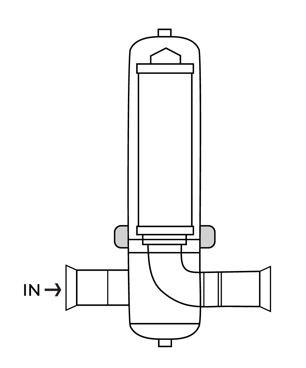
Swept Flow Paths
Smooth internal bends minimise turbulence and pressure loss.
Wide Bore Connections
Large inlet and outlet connections reduce flow restriction and housing pressure drop.
Plenum Chamber Design
Plenum chambers ensure the filter cartridge is held clear of condensate that may form in compressed gas streams. This protects the membrane from liquid exposure and maintains sterile filtration performance.
You should never use a liquid housing for a gas application because liquid housings are designed to minimise product hold up instead of being designed for low differential pressure drop
Tank Vent Filter Housings
Tank vent filters are designed for non-pressurised applications such as:
- Storage tanks
- Fermenters
- Process vessels
Their purpose is to:
- Prevent microbial contamination into the tamk, but also to prevent escape from the tank.
- Allow safe tank breathing during filling and emptying
- Protect product integrity
Vent filter housings typically include large bore connections to minimise airflow restriction and are not a housing that can be pressurised.
6. Steam Filtration for Sterile Systems
Steam filtration is often used alongside sterile gas filtration systems.
Steam filters remove:
- Rust particles
- Pipe scale
- Condensate debris
This protects sterile gas filters and improves steam quality for sterilisation processes.
Stainless steel steam filter cartridges are commonly available in multiple grades to cover applications from process steam to culinary steam.
7. Condensate Management in Gas Filtration Systems
Compressed gases often contain water vapour, which can condense when temperatures drop.
If condensate reaches the filter cartridge it can:
- Increase differential pressure
- Wet hydrophobic membranes
- Reduce filter life
Good system design should include:
- Vertical filter installation
- Drain points at low points in the distribution pipewprk.
- Upstream air drying
- Plenum spacing inside the housing
Managing condensate is essential for stable low differential sterile gas filtration performance regardless of the filter type used to sterilize the gas..
8. How to Choose the Right Sterile Gas Filter Cartridge
When selecting a sterile gas cartridge filter, consider:
- Gas flow rate – higher flows may require high-flow GF filter cartridges although in certain applications high flow PTFE membrane cartridges may have sufficient flow at a low enough differential pressure.
- Pressure drop limits – low differential pressure designs ensure reduce energy consumption
- Housing compatibility – retrofit filters must match existing housings. Ensure the endcaps matches the housing.
- Regulatory requirements – pharmaceutical systems often require validated cartridges that are insitu integrity testable.
- Process conditions – temperature, moisture content and steam sterilisation cycles all influence cartridge selection
9. Final Thoughts: Why Cartridge Filtration is Ideal for Sterile Gas Systems
Cartridge filtration remains the most widely used technology for sterile gas filtration because it offers:
- Reliable microbial removal
- Low pressure drop
- High gas flow capacity
- Compact system design
- Scalable installation
- Cost-effective operation
When combined with properly designed housings and condensate management, sterile gas cartridge filters provide long-term contamination control for critical process industries.
If you have any questions about Sterile Gas Filtration or the associated cartridge Filters then give us a call or send us an email - we’d be more than happy to help.
And here are a few more blogs and links that you might find useful:
- Process Cartridge Filters for Gas & Steam Applications in the Dairy & Food Industries
- Utility Filtration inProcess Industries: The Role of Cartridge Filters
- Process Filtration Membranes in Industrial Applications
- Membrane Cartridge Filters Explained by Micron Rating
- And here you can browse our full range of Sterile Gas & Vent Filters..
PoreFiltration – Making your filtration systems work harder