



<img alt="" src="https://secure.smart-company-vision.com/267217.png" style="display:none;">

Contaminant Removal from Water

The Steps in Colour, Manganese & Trace Oil Removal from Water

REG31 FINAL

Colour Removal in Municipal Water Treatment

Colour in raw water is typically caused by dissolved organic compounds such as humic and fulvic acids originating from decaying vegetation, peatlands, and surface water sources.

Municipal water treatment plants often use a combination of coagulation, clarification, activated carbon, and filtration processes to remove these colour-causing substances. Filtration acts as a key polishing stage, helping to reduce residual colour, improve water clarity, and ensure compliance with drinking water quality standards.


Recommended Products:

Manganese Removal in Municipal Water Treatment

Manganese is a naturally occurring metal commonly found in groundwater and surface water sources. If not removed, it can cause discoloured water, black staining, metallic tastes, and distribution system deposits.

Municipal treatment systems typically oxidise dissolved manganese into insoluble particles using chlorine, ozone, or other oxidants before removing it through media filtration or cartridge filtration. Effective filtration ensures manganese particles are captured before entering the drinking water network.


Recommended Products:


Trace Oil Removal in Municipal Water Treatment

Trace oils and hydrocarbons can enter water supplies through industrial activity, surface water runoff, transportation infrastructure, or accidental contamination events. Activated carbon filtration is commonly used to adsorb dissolved oils, hydrocarbons, tastes, and odours from drinking water supplies.

In some treatment systems, particulate filtration is used upstream to remove suspended contamination and protect carbon filters, ensuring effective removal of trace organic contaminants and maintaining drinking water quality.

Recommended Products:

Maintaining clear, aesthetically acceptable, and compliant water is a key requirement for municipal water treatment systems. The presence of iron, manganese, and colour in raw water supplies can lead to discolouration, staining, taste issues, and customer complaints, as well as operational challenges within distribution networks. These contaminants often originate from natural sources and can vary significantly depending on source water conditions. Filtration plays a critical role in removing oxidised metals and colour-causing compounds, ensuring water meets regulatory standards and consumer expectations. As treatment requirements become more stringent, effective filtration systems are essential for delivering consistent water clarity, protecting infrastructure, and maintaining supply quality.

Speak to an Expert

+44(0) 203 750 8060

Drop Us an Email

enquiries@porefiltration.co.uk


Colour, Manganese & Trace Oil Removal Resources and Support

Why does manganese need to be removed from water?

Manganese can cause staining, discolouration, and taste issues. Their removal is essential for meeting water quality standards and maintaining consumer confidence.

What causes colour in municipal water supplies?

Colour is typically caused by dissolved organic matter such as humic and fulvic substances. It can also be linked to metals like manganese in certain conditions.

How does filtration remove manganese?

Manganese is usually oxidised into solid particles before filtration. These particles are then physically removed using appropriate filtration systems.

What filtration level is required for effective removal?

Filtration requirements vary depending on treatment stage but typically range from coarse removal of oxidised particles to fine filtration for polishing and clarity.

Can filtration be used alone or with other treatment processes?

Filtration is often part of a multi-stage process, working alongside oxidation, aeration, or chemical dosing to ensure effective removal and consistent water quality.

Commitment to quality is of paramount importance at PoreFiltration.  We supply filtration solutions that help customersPore_Filter_9001_Logo protect their processes, meet regulatory requirements, and deliver consistent, high-quality finished products across industrial, food & beverage, chemical, and water applications. As such we have been certified to ISO9001, providing a quality management system that covers the entire organization for clarity and transparency in our processes.

Our Quality Commitment

Every PoreFiltration product is supplied with one clear objective: to perform reliably, consistently, and exactly as intended.

We are committed to:

  • Meeting customer, regulatory, and application-specific requirements
  • Supplying filtration products with consistent, repeatable performance
  • Providing clear specifications, traceability, and technical guidance
  • Continually improving our products, processes, and quality systems

If you need any more information on any aspect of quality management and assurance, then give us a call or send us an email - we’d be more than happy to help.

PoreFiltration is committed to supplying filtration products that support the highest standards of water quality, public health protection, and regulatory compliance across municipal, industrial, pharmaceutical, and process water applications. We recognise the critical role filtration plays in safeguarding water supplies, maintaining treatment performance, and supporting compliance with industry regulations and water quality standards.

Our filtration solutions are utilised throughout the water treatment cycle, from raw water intake and potable water production to process water, wastewater treatment, water reuse, and high-purity applications. By supporting the removal of suspended solids, particulate contamination, turbidity, and process-generated contaminants, our products help operators maintain reliable treatment performance while protecting critical downstream assets such as membranes, UV systems, pumps, and distribution infrastructure.

PoreFiltration supplies products suitable for a wide range of regulated water applications, including systems requiring compliance with Drinking Water Inspectorate (DWI) Regulation 31 requirements, potable water treatment processes, Cryptosporidium control strategies, pharmaceutical water systems, and industrial water treatment operations. We work closely with leading filtration manufacturers to ensure that supplied products are supported by appropriate technical documentation, material certifications, and approvals where required for their intended application.

Clean-In-Place (CIP) and Sterilise-In-Place (SIP) systems are critical to maintaining hygiene, product safety, and regulatory compliance in food, beverage, dairy, and pharmaceutical processing.

CIP enables the cleaning of pipelines, vesselSteams, filters, and process equipment without dismantling, using controlled cycles of detergents, temperature, and flow to remove product residues, biofilms, and contaminants.
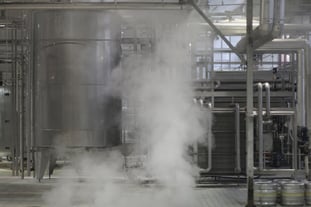
SIP follows with high-temperature steam sterilisation to eliminate microorganisms and ensure systems are safe for production.

Effective CIP/SIP design ensures:

  • Reliable microbial control
  • Reduced downtime and manual intervention
  • Protection of filtration systems and membranes
  • Consistent product quality and audit readiness

When properly engineered, CIP and SIP are not just cleaning steps they are integral to process performance and operational efficiency.

Read more in our blog: How CIP & SIP Can Extend Cartridge Filter Lifespan.

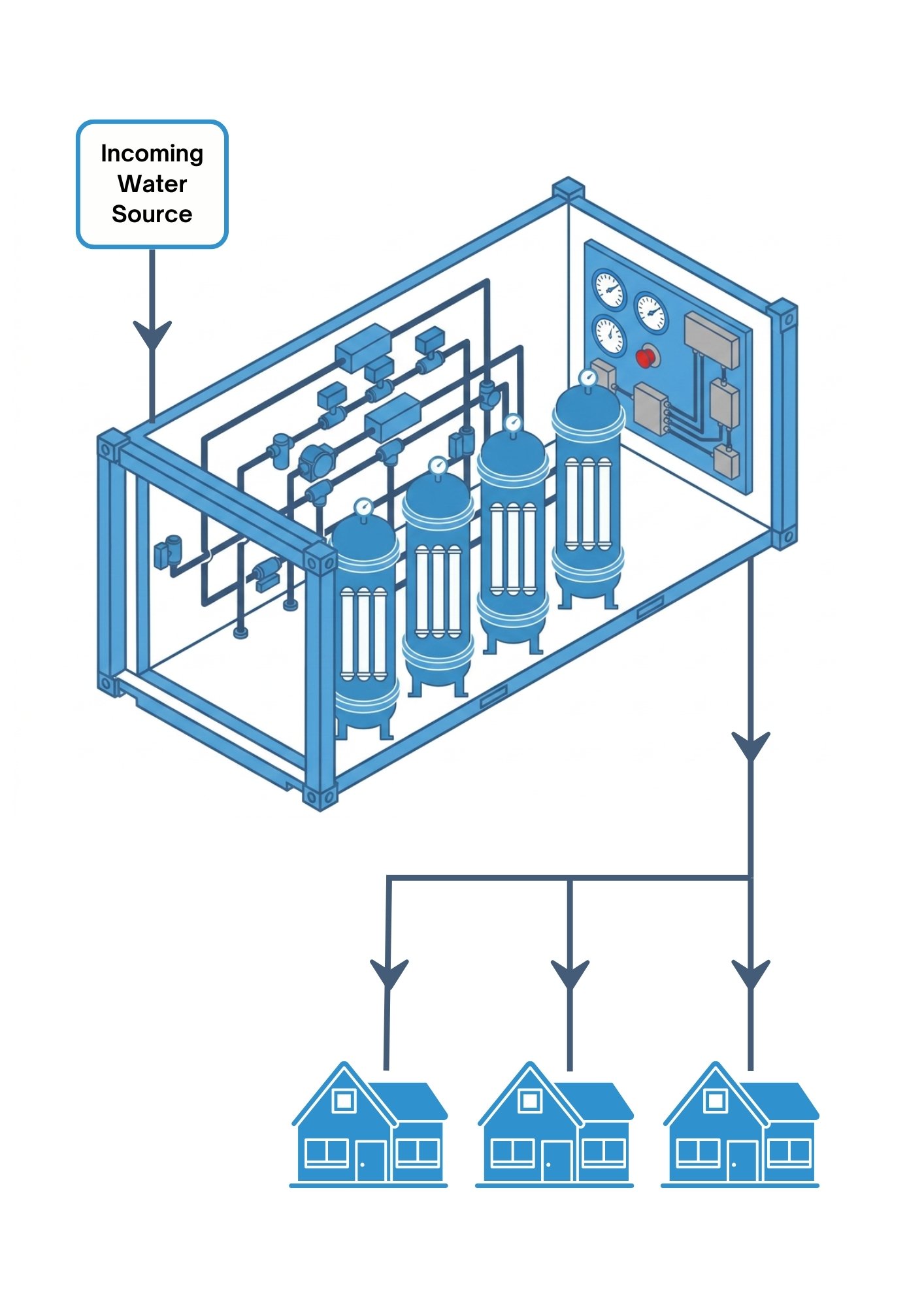
What Is Utility Filtration?                    Municipal RO system
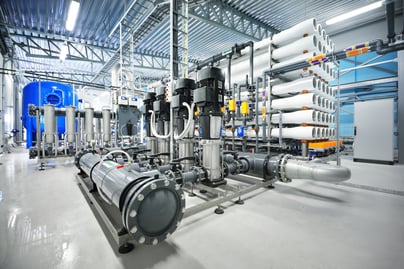
Utility filtration refers to filtration systems designed to clean and condition fluids used in support roles across manufacturing and processing environments rather than final product filtration. These include:


Utility fluids such as compressed air, steam, water and process gases are essential to industrial operations. Their quality directly affects product safety, equipment performance and regulatory compliance. Advanced utility filtration ensures contaminants are removed before they can compromise products or damage critical assets.

Effective utility filtration prevents contamination, improves product consistency, reduces maintenance costs, and supports regulatory compliance.


CLICK HERE TO READ MORE ON UTILITY FILTRATION SOLUTIONS 
 

The Role of Cartridge Filtration in Colour, Manganese & Trace Oil Removal from Water

In municipal water treatment, cartridge filtration provides an effective and flexible solution for the removal of oxidised iron, manganese, and colour-related particulates. Following oxidation processes, these contaminants form solid particles that must be reliably captured to prevent discolouration and downstream issues. Cartridge filters act as a final polishing stage, ensuring consistent water clarity and quality before distribution.

Across treatment systems, cartridge filtration supports three key objectives:

    • Removal of oxidised iron and manganese particles: Captures precipitated metals that would otherwise cause staining and turbidity
    • Reduction of colour and suspended solids: Improves visual clarity by removing fine particulates and organic matter
    • Protection of distribution networks and downstream processes: Prevents build-up, blockages, and customer complaints linked to poor water quality

While treatment approaches vary depending on raw water characteristics, filtration is a critical final step in ensuring compliance and consistency. By integrating cartridge filtration into municipal treatment processes, operators can achieve reliable contaminant removal, improved water aesthetics, and enhanced system performance.

Oxidation & Speciation: Why Treatment Starts Before Filtration

Iron and manganese are often present in dissolved forms, meaning they cannot be removed by filtration alone. Oxidation via aeration, chlorine, potassium permanganate, or ozone is required to convert them into insoluble forms that can be filtered out. The effectiveness of this step depends heavily on pH, temperature, and reaction time, with manganese in particular requiring stronger oxidation conditions. Understanding this chemistry is critical to ensuring filtration systems receive properly conditioned water for efficient removal.

Filtration Mechanisms: Depth vs Surface Capture

Once oxidised, iron and manganese form particulate matter that must be physically removed. Cartridge filtration typically operates using depth media, allowing particles to be captured throughout the filter structure rather than just on the surface. This increases dirt-holding capacity and improves performance in applications with variable loading. For municipal systems, this is particularly important where raw water quality can fluctuate seasonally, requiring filtration systems that can handle both fine particulates and higher solids loading without rapid blockage.

Colour Removal: Dissolved vs Particulate Challenges

Colour in municipal water is often caused by dissolved organic compounds such as humic and fulvic acids, which are not always removed by standard filtration. However, when coagulation or oxidation is applied upstream, these compounds can be converted into particulate form, making them removable by filtration. Cartridge filtration therefore plays a key role as a polishing stage, removing residual colour-causing particles and improving final water clarity. In systems where colour varies significantly, filtration must be carefully matched with upstream treatment processes.

Process Integration: Positioning Filtration Within Treatment Trains

In municipal treatment systems, cartridge filtration is rarely a standalone solution. It is typically installed downstream of oxidation, coagulation, or clarification stages, acting as a final barrier before distribution or storage. This positioning ensures that the bulk of contaminant conversion has already occurred, allowing filtration to operate efficiently and consistently. In some cases, it is also used as a safeguard ahead of sensitive downstream processes, such as membrane systems or UV disinfection.

Operational Performance: Managing Variable Water Quality

Municipal water sources can vary significantly due to seasonal changes, rainfall events, and source water conditions. This variability affects contaminant loading, particle size distribution, and overall treatment performance. Cartridge filtration systems must therefore be designed with sufficient capacity and flexibility to handle these fluctuations. Monitoring pressure drop, flow stability, and water quality parameters allows operators to adjust maintenance schedules and ensure consistent performance even under changing conditions.

Maintenance Strategy: Balancing Performance and Cost

Effective maintenance is essential for sustaining filtration performance in municipal environments. Cartridge life is influenced by contaminant load, pre-treatment efficiency, and operational conditions. Rather than fixed replacement intervals, many systems rely on differential pressure monitoring to optimise changeout timing. This approach ensures filters are used efficiently without risking breakthrough or flow restriction, helping to balance operational reliability with cost control.

What our customers say ...   


Very quick response from the team at PoreFiltration. Great communication throughout. Very helpful in establishing the correct product for our application, and worked closely with us to get the product to us in order that we could meet a tight deadline. Excellent service all round :) 

Steven Sweeney


Always great products and service. The first people I call whenever I have any issues filtering my products!"  

Ben Carmichael

Talk to us today about your filtration requirements


  • Extensive product range
  • Best Price GUARANTEED!
  • Specialist support team with deep knowledge of liquid & gas applications
  • Reliable quality & delivery