



Utilities Filtration
Utilities are the hidden support systems behind every successful food, beverage, dairy, pharmaceutical, and process manufacturing operation. Compressed air, nitrogen, carbon dioxide, steam, process water, purified water, and tank vent air may not always be viewed as part of the product stream, but they can have a direct impact on product quality, hygiene, equipment reliability, and production efficiency.
Poorly controlled utilities can introduce particulate, microorganisms, oil aerosols, condensate, rust, pipe scale, boiler carryover, and airborne contamination into critical areas of the process. This can lead to blocked valves, fouled heat exchangers, reduced filter life, microbial risk, product spoilage, failed audits, and unnecessary downtime.
PoreFiltration provides practical, fit-for-purpose utility filtration solutions for the core services used across modern manufacturing plants
Protecting Product Quality Beyond the Product Line
Many contamination problems originate outside the main product stream. A sterile product can still be compromised by unfiltered compressed air, wet vent filters, contaminated process water, or poorly filtered culinary steam.
Contaminants — whether particulate, aerosols, dissolved solids or microbial — can lead to:
- Product contamination or spoilage
- Reduced equipment efficiency and lifetime
- Process downtime and unplanned maintenance
- Regulatory non-compliance
That is why utility filtration should be treated as part of the wider contamination control strategy, not as an afterthought.
Correctly selected utility filters help manufacturers:
| Benefit | Why It Matters |
|---|---|
| Reduce contamination risk | Protects product, packaging, vessels, and contact surfaces |
| Improve process reliability | Helps prevent blockages, fouling, and premature filter failure |
| Support hygiene and audit compliance | Provides documented filtration performance and specification control |
| Extend equipment life | Reduces particulate damage to valves, instruments, heat exchangers, and pipework |
| Lower operating costs |
Protects final filters and reduces downtime, waste, and maintenance |
Clean, dry compressed air and gases are crucial for reliable pneumatic systems, food contact applications, and analytical equipment. Sterile air and gas filtration is essential for preventing microbial contamination in food and beverage processing, pharmaceutical manufacturing, and other critical applications. Sterile gas filters remove microorganisms from air and process gases, ensuring that ingredients, products, and equipment remain protected from airborne contaminants.
Coalescing filters, are the preferred prefiltration to ensure removal of liquid aerosols and fine particulates from compressed gases. These enhance the performance and service life of sterile gas filter by reducing the contaminant load, ensuring maximum protection in sterile gas applications.
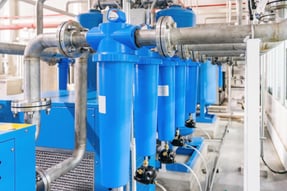
Utility gas filtration typically includes:
-
Coalescers, to remove liquid aerosols
-
Particle filters, to capture dust and solid contaminants
-
Activated carbon filters, to remove odours and volatile compounds
-
Microbial removal filters, for critical contaminant exclusion
These solutions protect both product quality and downstream equipment performance.
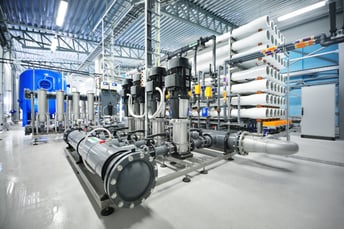
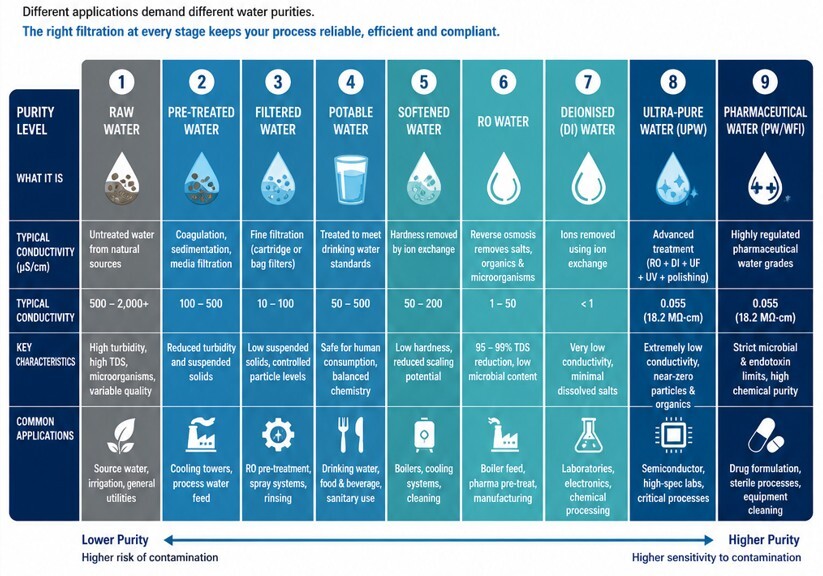
Water quality influences final product taste, appearance and process efficiency. Utility water filtration covers:
-
Clarification and pre-filtration for wash and cleaning water
-
High-flow cartridge filtration for equipment rinsing and general utility use
-
Advanced membrane systems for microbiologically stable water
Products such as large-format filter cartridges provide robust performance with lower operating cost and simplified handling.
Steam is a vital utility used for heating, cleaning, and sterilisation.
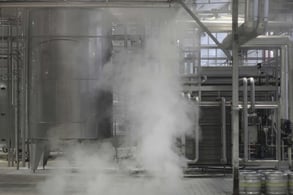
In steam-assisted processes, contaminants like rust, scale and debris can lead to:
✔ Poor heat transfer
✔ Clogged steam lines
✔ Compromised sterilization
✔ Equipment wear
Dedicated steam filters remove these impurities, ensuring consistent steam quality for applications like blanching, peeling, sterilization and heat tracing.
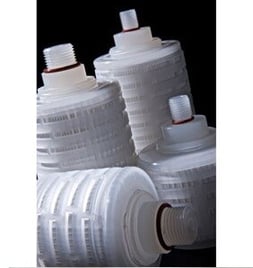
Storage tanks used in food, beverage and process industries must be protected from both environmental contamination and pressure imbalance. Tank vent filtration provides a controlled barrier between the tank contents and the surrounding atmosphere, allowing air to move freely in and out of the vessel while preventing airborne microorganisms, viruses and particulate contamination from entering the tank.
Correctly selected and properly sized sterile air filters maintain pressure equilibrium during filling, emptying and storage, while also protecting the surrounding environment from aerosols or vapours escaping from the tank.
Effective tank vent filtration therefore plays a critical role in preserving product quality, ensuring safe tank operation and supporting hygienic processing standards.
Product Solutions for Utility Filtration
Compressed & Sterile Air
Clean, dry sterile air and gases are essential for reliable pneumatic systems, food contact applications, and instruments throughout manufacturing facilities.
Process Water
Process water quality affects product taste, appearance, & process efficiency. Cartridge filtration supports relaible water treatment plant performance.
Steam
Steam, whether process or culinary, is a vital utility used for heating, cleaning, and sterilisation throughout production facilities.
Sterile Tank Venting
Sterile tank vent filtration is essential to prevent microbial contamination, allowing storage tanks to breathe protected from environment.
Frequently Asked Questions
Utilities filtration refers to the filtration of the supporting process streams used throughout manufacturing rather than the product itself. This includes compressed air, sterile gases, culinary steam, process water, purified water, and tank vent filtration. Although these utilities may not always become part of the final product, contamination within them can directly impact product quality, hygiene, equipment reliability, and regulatory compliance. Proper filtration helps remove particulates, microorganisms, condensate, oil aerosols, rust, and other contaminants before they enter critical processes.
Yes. Proper utilities filtration helps manufacturers meet hygiene, food safety, and process quality requirements across many industries.
Depending on the application, filtration systems may support:
- HACCP programmes
- Food safety audits
- GMP expectations
- Pharmaceutical standards
- Water quality requirements
- Sterile processing validation
Documented filter specifications, integrity testing capability, material traceability, and validation data are often important considerations in regulated industries.
Effective utilities filtration can significantly reduce operational costs by:
- Extending equipment life
- Reducing downtime
- Lowering contamination risks
- Preventing product spoilage
- Improving energy efficiency
- Reducing maintenance frequency
- Protecting downstream sterile filters
For example, proper compressed air prefiltration reduces the burden on final sterile gas filters, increasing service life and lowering replacement frequency.
Compressed air is often referred to as the “fourth utility” because it is used extensively throughout food, beverage, dairy, pharmaceutical, and industrial production facilities. However, untreated compressed air can contain oil aerosols, water condensate, pipe scale, rust, microorganisms, and particulates originating from compressors and distribution pipework.
Filtration systems typically combine:
- Water separators
- Coalescing filters
- Particulate filters
- Final sterile gas filters
These stages help protect products, valves, filling equipment, instrumentation, and packaging processes while reducing contamination risks and maintaining air quality standards.
Sterile gas filtration is used to remove microorganisms and fine particulate contamination from gases such as compressed air, nitrogen, carbon dioxide, and process gases before they come into contact with product or product-contact surfaces.
Applications include:
- Tank blanketing
- Aseptic filling
- Fermentation aeration
- Product transfer
- Packaging operations
- Dairy and beverage processing
Hydrophobic membrane filters, typically PTFE, are commonly used because they repel moisture while providing high microbial retention efficiency. In many systems, coalescing prefiltration is critical to remove condensate and oil aerosols before the final sterile filter.
Condensate is one of the most common causes of sterile gas filter performance issues. Moisture entering sterile gas filters can dramatically increase differential pressure, reduce gas flow, and shorten filter life.
In hydrophobic membrane filters, excessive condensate can temporarily alter filtration performance from a gas-phase filtration mechanism to a liquid barrier mechanism. This can lead to:
- Reduced airflow
- Premature blockage
- Increased energy consumption
- Wetting-out of membranes
Effective condensate removal using coalescing filters, drains, and correctly designed pipework helps maintain reliable sterile gas performance.
Culinary steam filtration removes particulates, boiler treatment chemicals, rust, and condensate from steam used in direct or indirect food and beverage contact applications.
Filtered culinary steam is commonly used for:
- Sterilisation-in-place (SIP)
- Clean-in-place (CIP)
- Product heating
- Injection cooking
- Humidification
- Equipment sterilisation
Typically, culinary steam filtration systems are designed to achieve filtration down to approximately 2 micron in accordance with recognised food industry guidance such as 3-A standards.
Although steam itself is generated at temperatures that kill microorganisms, the steam distribution system can introduce contamination. Common issues include:
- Rust particles
- Pipe scale
- Boiler additives
- Condensate carryover
- Corrosion debris
Without filtration, these contaminants can damage valves, foul equipment, affect product quality, and introduce unwanted contamination into direct-contact processes.
Tank vent filters protect storage vessels and process tanks from airborne contamination during filling, emptying, thermal expansion, or liquid transfer operations.
As tanks “breathe,” air enters and exits the vessel. Without vent filtration, airborne microorganisms, dust, mould spores, and moisture can enter the tank and contaminate the product.
Tank vent filters are commonly used on:
- Dairy tanks
- Beverage tanks
- Water storage vessels
- Fermentation vessels
- WFI and purified water tanks
- Chemical storage systems
Hydrophobic PTFE membrane filters are widely used because they provide sterile air filtration while resisting moisture penetration.
In high-humidity or high-temperature applications, condensate can form inside vent filters and block airflow. Heated vent housings help minimise condensation formation and maintain filter performance.
These are commonly used on:
- Hot water tanks
- WFI systems
- Fermentation vessels
- Sterile storage tanks
By maintaining stable filter temperatures, heated housings help prevent moisture blinding and reduce the risk of tank vacuum conditions caused by restricted airflow.
Filter replacement frequency depends on:
- Operating conditions
- Contamination load
- Differential pressure increase
- Steam sterilisation cycles
- Gas quality
- Moisture exposure
Rather than relying solely on fixed time intervals, many facilities monitor differential pressure and performance trends to optimise filter change-out schedules.
What our customers say ...
“Very quick response from the team at PoreFiltration. Great communication throughout. Very helpful in establishing the correct product for our application, and worked closely with us to get the product to us in order that we could meet a tight deadline. Excellent service all round :)”
Steven Sweeney
“Always great products and service. The first people I call whenever I have any issues filtering my products!"
Ben Carmichael
Talk to us today about your filtration requirements
-
Extensive product range
-
Best Price GUARANTEED!
-
Specialist support team with deep knowledge of liquid & gas applications
-
Reliable quality & delivery


