



<img alt="" src="https://secure.smart-company-vision.com/267217.png" style="display:none;">

Component Cleaning and Parts Washing

Filtration Solutions for Parts Washing and Component Cleaning Applications

Filtration Steps in Component Cleaning

Component Cleaning Final-1

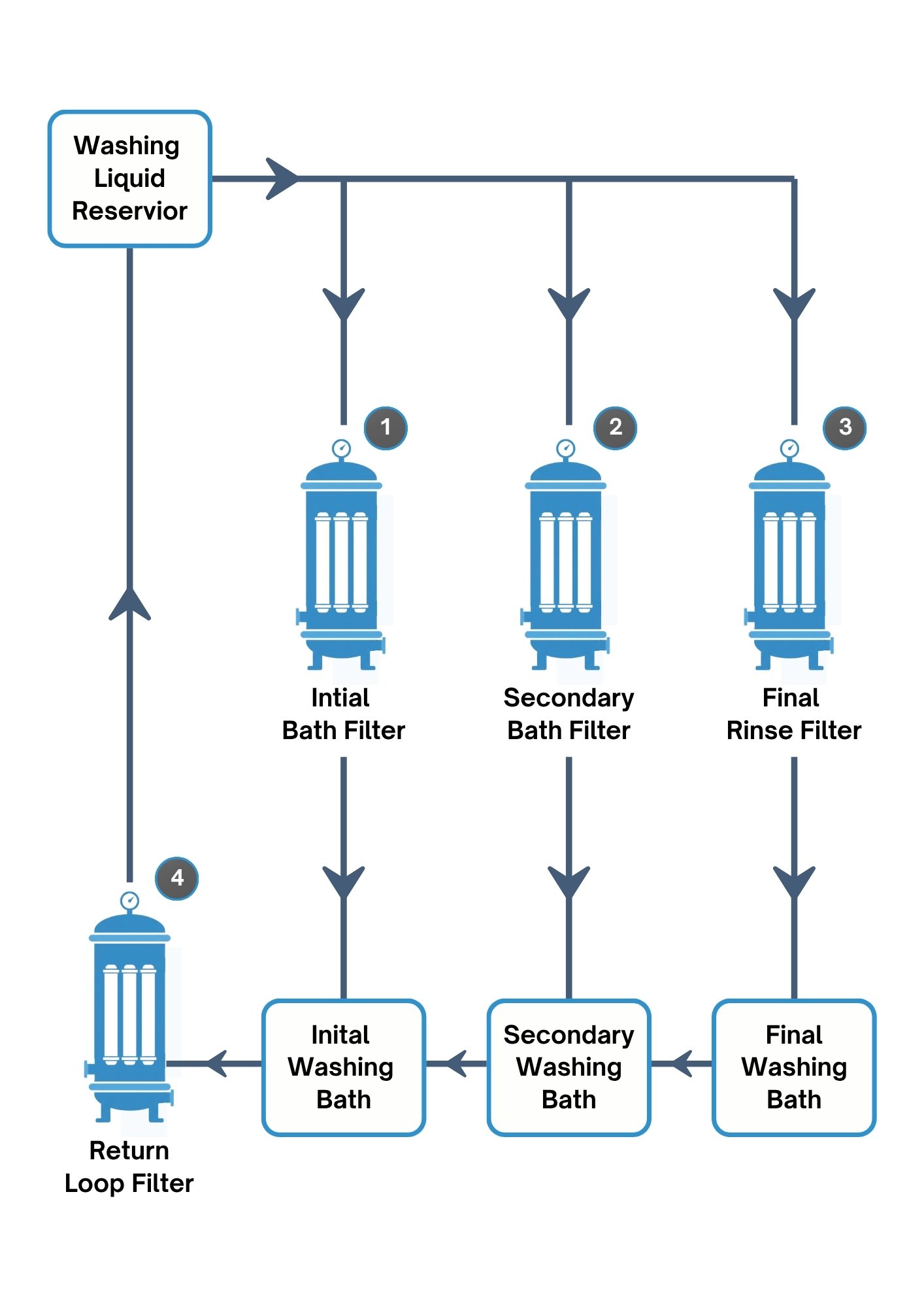
Filtration of the Initial Washing Bath

The first washing bath removes the majority of oils, machining debris, metallic fines, and process contamination from components. An

Initial Bath Filter continuously removes suspended solids from the wash fluid, helping maintain cleaning performance and preventing contaminants from being carried into downstream cleaning stages.

Recommended Products:

PurePore Depth Cartridge (5-10 micron)

PurePore Depth Pleated Cartridge (5-10 micron)

Industrial Housing

Secondary Bath Contamination Control

As components move through the cleaning process, a secondary washing stage provides further contaminant removal and surface preparation.

The Secondary Bath Filter captures finer particles and residual contamination, improving fluid cleanliness and helping maintain consistent cleaning quality throughout production.

Recommended Products:

PurePore Depth Cartridge (5-10 micron)

PurePore Depth Pleated Cartridge (5-10 micron)

Industrial Housing

Final Rinse Filtration

The final washing or rinse stage is critical for achieving the required component cleanliness specification.

A Final Rinse Filter removes fine particulate contamination from the rinse fluid, helping prevent residues, spotting, or recontamination before components move to assembly, coating, packaging, or inspection.

Recommended Products:

PurePore Depth Cartridge (5-10 micron)

PurePore Depth Pleated Cartridge (5-10 micron)

Industrial Housing

Return Loop Filtration

Used cleaning fluids are collected and recirculated back towards the washing liquid reservoir.

The Return Loop Filter removes accumulated solids, debris, and contaminants generated throughout the cleaning process, helping extend fluid life and reducing the frequency of fluid replacement.

Recommended Products:

  • CleanPore Carbon Cartridge (5-micron)
  • Industrial Housing 

In modern manufacturing, component cleanliness is critical to ensuring product reliability, assembly performance, and long-term operational life. Across industries such as automotive, aerospace, precision engineering, electronics, and medical devices, contaminants generated during machining and production can compromise downstream processes and final product quality if not effectively removed. Parts washing and component cleaning systems rely on filtration to continuously remove particulate, tramp oils, metallic fines, and organic contamination from wash and rinse fluids. By maintaining fluid cleanliness throughout recirculating cleaning systems, filtration helps improve washing efficiency, protect critical equipment, extend fluid life, and ensure components meet increasingly stringent cleanliness standards before assembly or finishing processes. 

Speak to an Expert

+44(0) 203 750 8060

Drop Us an Email

enquiries@porefiltration.co.uk


Parts Washing & Component Cleaning Resources and Support

Why is filtration important in parts washing systems?

Filtration removes contaminants from wash fluids, preventing recontamination of cleaned components and improving overall cleaning performance. It also protects pumps, spray nozzles, and heating systems from fouling.

What contaminants are commonly removed during component cleaning?

Typical contaminants include machining swarf, metal fines, polishing compounds, rust particles, tramp oils, detergents, and organic residues carried over from production processes.

Can filtration extend the life of wash fluids?

Yes—continuous filtration removes suspended solids and contaminants that would otherwise degrade wash fluids, reducing the frequency of fluid replacement and lowering operating costs.

What filtration levels are typically used in parts washing applications?

Filtration requirements vary by cleanliness specification, but systems commonly use staged filtration from coarse depth filtration through to fine polishing filters for critical cleaning applications.

Which industries benefit most from component cleaning filtration?

Automotive, aerospace, electronics, medical device, and precision engineering industries all rely heavily on filtration to maintain component cleanliness and production quality.

Commitment to quality is of paramount importance at PoreFiltration.  We supply filtration solutions that help customersPore_Filter_9001_Logo protect their processes, meet regulatory requirements, and deliver consistent, high-quality finished products across industrial, food & beverage, chemical, and water applications. As such we have been certified to ISO9001, providing a quality management system that covers the entire organization for clarity and transparency in our processes.

Our Quality Commitment

Every PoreFiltration product is supplied with one clear objective: to perform reliably, consistently, and exactly as intended.

We are committed to:

  • Meeting customer, regulatory, and application-specific requirements
  • Supplying filtration products with consistent, repeatable performance
  • Providing clear specifications, traceability, and technical guidance
  • Continually improving our products, processes, and quality systems

If you need any more information on any aspect of quality management and assurance, then give us a call or send us an email - we’d be more than happy to help.

Clean-In-Place (CIP) and Sterilise-In-Place (SIP) systems are critical to maintaining hygiene, product safety, and regulatory compliance in food, beverage, dairy, and pharmaceutical processing.

CIP enables the cleaning of pipelines, vesselSteams, filters, and process equipment without dismantling, using controlled cycles of detergents, temperature, and flow to remove product residues, biofilms, and contaminants.
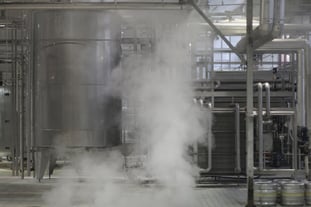
SIP follows with high-temperature steam sterilisation to eliminate microorganisms and ensure systems are safe for production.

Effective CIP/SIP design ensures:

  • Reliable microbial control
  • Reduced downtime and manual intervention
  • Protection of filtration systems and membranes
  • Consistent product quality and audit readiness

When properly engineered, CIP and SIP are not just cleaning steps they are integral to process performance and operational efficiency.

Read more in our blog: How CIP & SIP Can Extend Cartridge Filter Lifespan.

What Is Utility Filtration?                    Municipal RO system
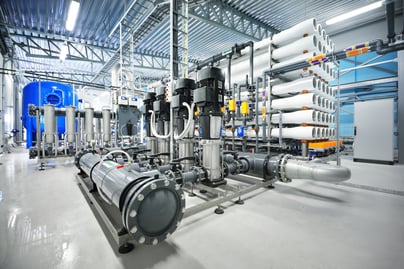
Utility filtration refers to filtration systems designed to clean and condition fluids used in support roles across manufacturing and processing environments rather than final product filtration. These include:


Utility fluids such as compressed air, steam, water and process gases are essential to industrial operations. Their quality directly affects product safety, equipment performance and regulatory compliance. Advanced utility filtration ensures contaminants are removed before they can compromise products or damage critical assets.

Effective utility filtration prevents contamination, improves product consistency, reduces maintenance costs, and supports regulatory compliance.


CLICK HERE TO READ MORE ON UTILITY FILTRATION SOLUTIONS 
 

The Role of Cartridge Filtration in Parts Washing & Component Cleaning

In parts washing and cleaning systems, cartridge filtration provides continuous contaminant removal to maintain wash fluid quality and ensure consistent cleaning performance. During machining and manufacturing operations, components accumulate oils, metallic particles, abrasives, polishing residues, and process debris that must be effectively removed before assembly, coating, or packaging. Cartridge filters capture these contaminants within recirculating wash systems, preventing recontamination and maintaining stable cleaning conditions throughout production.

Across component cleaning applications, cartridge filtration supports three key objectives:

    • Removal of particulate and process contamination: Captures swarf, metallic fines, abrasives, sludge, and polishing compounds from wash fluids
    • Protection of cleaning equipment and spray systems: Prevents fouling and blockage within pumps, spray bars, heating elements, and nozzles
    • Maintaining fluid cleanliness and process consistency: Extends wash fluid life while ensuring repeatable cleaning quality across production batches

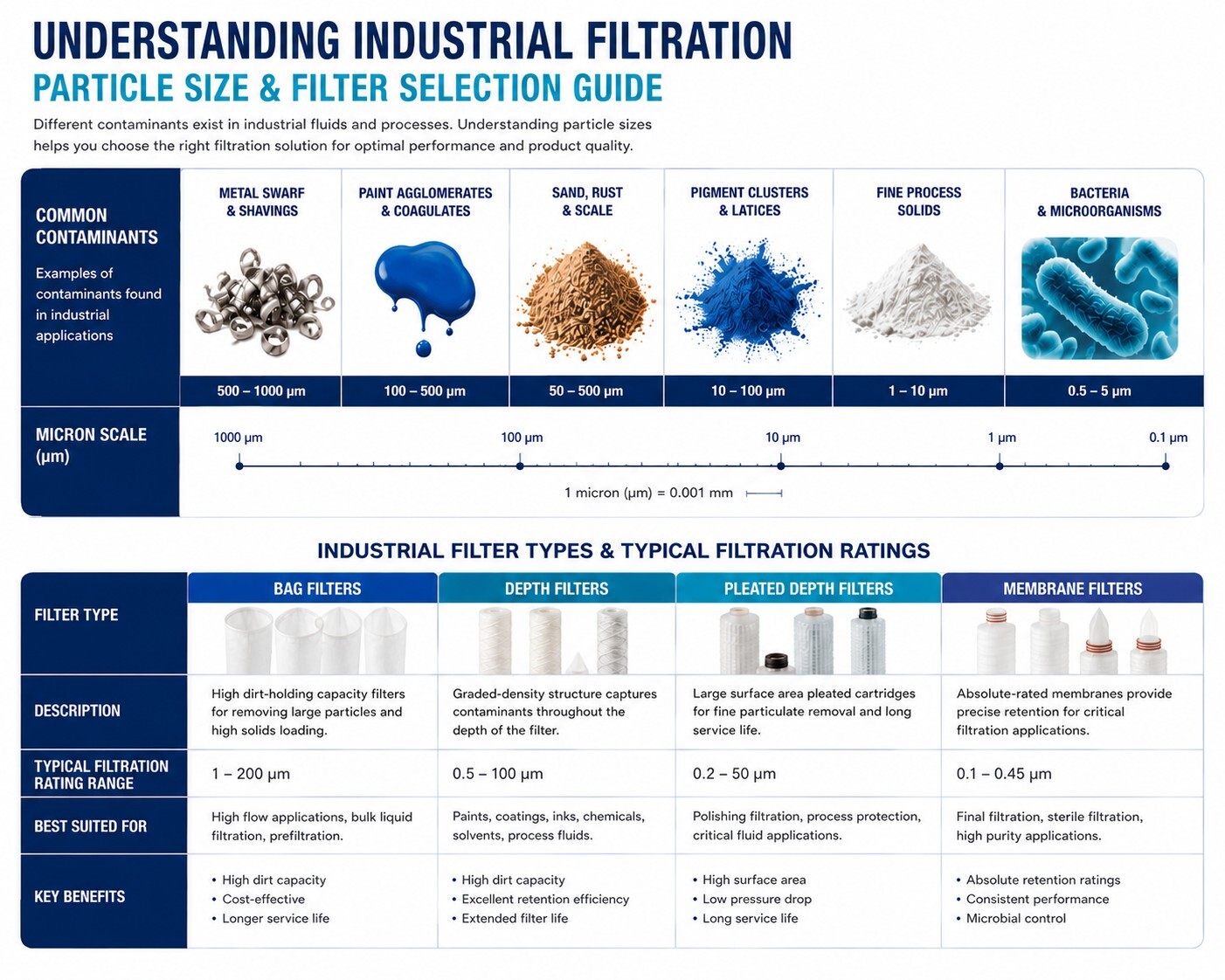
Different filtration technologies are typically combined depending on contamination levels and cleanliness targets. Depth filters are widely used for heavy solids loading due to their high dirt-holding capacity, while pleated depth filters provide finer particulate control for critical cleaning stages. Carbon filters may also be incorporated to remove oils, surfactants, and dissolved organics that can affect rinse quality or leave residues on cleaned components. By integrating staged cartridge filtration systems, manufacturers can improve component cleanliness, reduce downtime, and maintain compliance with increasingly demanding cleanliness standards such as ISO 16232 and VDA 19.

Machining Debris & Metallic Fines: The Main Source of Contamination

During machining and manufacturing operations, components are exposed to cutting fluids, abrasives, polishing compounds, and metallic debris generated from drilling, grinding, milling, and finishing processes. These contaminants are easily transferred into wash systems, where they can recirculate and redeposit onto cleaned parts if not effectively removed. Metallic fines are particularly problematic because of their small particle size and abrasive nature, which can damage pumps, spray systems, and downstream equipment while also compromising final component cleanliness. Effective filtration therefore plays a critical role in preventing cross-contamination throughout the cleaning process.

Staged Filtration: From Bulk Solids to Final Rinse Quality

Most component cleaning systems use multiple stages of filtration to optimise contaminant removal and maintain efficient operation. Coarse depth filters are commonly installed within recirculating wash loops to capture large particles, swarf, and sludge while protecting downstream filtration stages. Pleated depth filters are then used for finer particulate removal, particularly where critical cleanliness standards must be achieved. In some applications, activated carbon filters are added during final rinse stages to remove dissolved oils, surfactants, and odour-causing organics that could leave visible residues or affect coating adhesion.

Spray Nozzle Protection & Equipment Reliability

Modern aqueous parts washers and spray cleaning systems rely on precision spray nozzles operating at controlled pressures and flow rates to achieve effective cleaning coverage. Contamination within wash fluids can block nozzles, reduce spray efficiency, and create uneven cleaning performance across components. Filtration positioned within recirculation loops helps prevent particulate build-up within pumps, pipework, and spray bars, reducing maintenance requirements and ensuring stable cleaning conditions. In high-volume automated cleaning systems, this protection is essential for maintaining uptime and minimising production disruption.

Fluid Life Extension & Process Cost Reduction

Without effective filtration, wash fluids degrade rapidly due to increasing particulate loading, tramp oils, and dissolved contamination. Frequent fluid replacement increases chemical usage, disposal costs, and operational downtime. Continuous filtration allows recirculating systems to maintain cleaner wash solutions for longer periods, significantly extending fluid life and improving process economics. In many industrial cleaning systems, filtration is therefore viewed not only as a cleanliness requirement but also as a key operational cost-saving strategy.

Critical Cleanliness Standards & Industry Compliance

Industries such as automotive, aerospace, electronics, and medical device manufacturing increasingly operate to strict cleanliness specifications, including standards such as ISO 16232 and VDA 19. These standards define allowable particulate contamination levels on finished components to ensure reliability and prevent downstream failures. Filtration systems must therefore be capable of delivering consistent and validated particulate control across changing production conditions. Filter selection is often based not only on nominal micron rating, but also on particle retention efficiency, dirt-holding capacity, and compatibility with cleaning chemistries.

  •  
Differential Pressure Monitoring & Filter Changeout Strategy

As contaminants accumulate within filters, pressure drop across the filtration system gradually increases. Monitoring differential pressure allows operators to identify the optimal point for filter replacement before flow restriction or contamination breakthrough occurs. In heavily contaminated cleaning systems, staged filtration helps distribute solids loading across multiple filters, improving efficiency and reducing consumable costs. Correct filter sizing and monitoring are essential for balancing operational stability, cleaning performance, and maintenance frequency in continuous manufacturing environments.

Industrial Graphic

Talk to us today about your filtration requirements


  • Extensive product range
  • Best Price GUARANTEED!
  • Specialist support team with deep knowledge of liquid & gas applications
  • Reliable quality & delivery