



Dairy Filtration
Filtration Steps in Dairy Product Manufacture

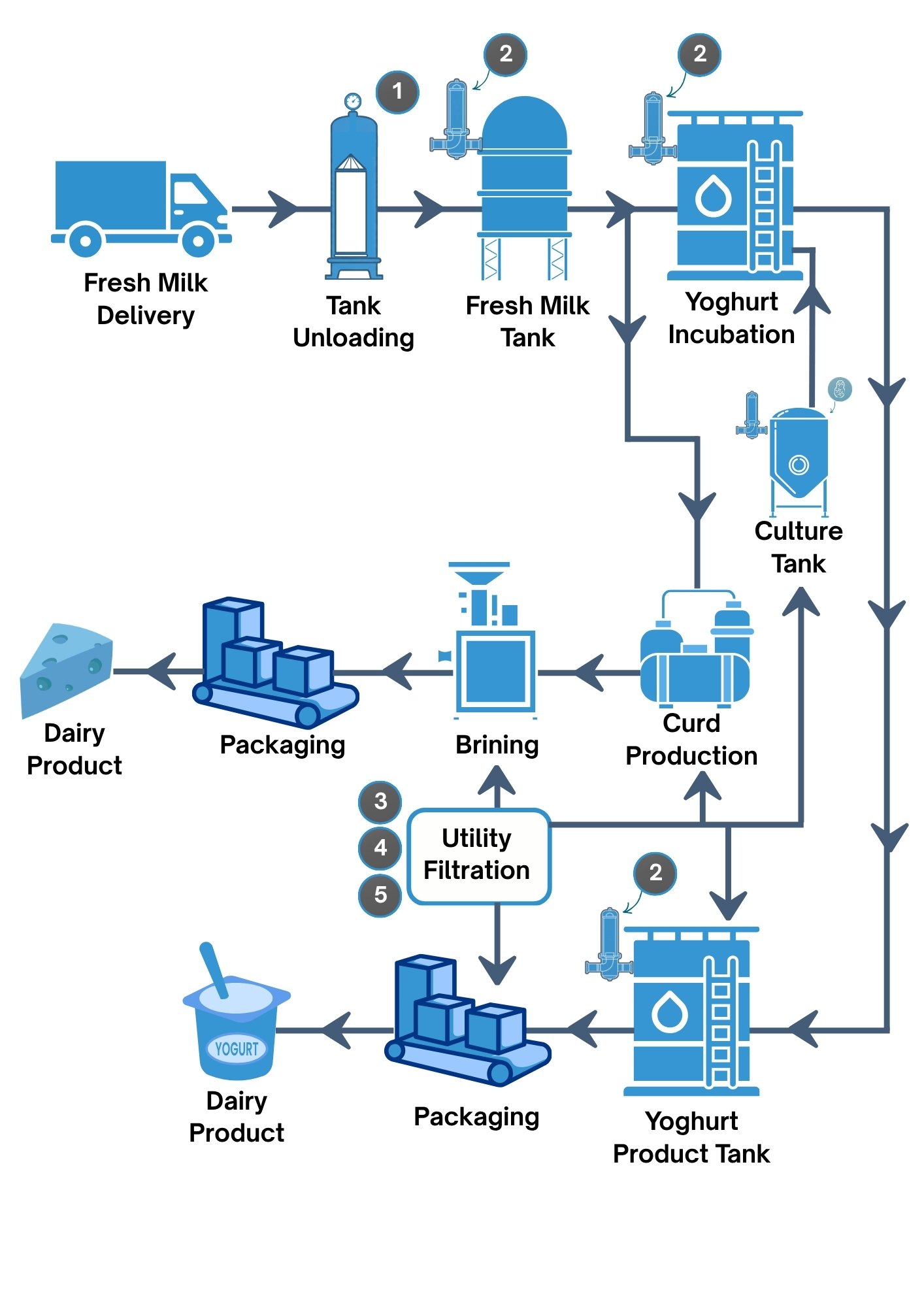
Incoming raw milk filtration
In the dairy industry, incoming milk quality can vary significantly due to handling and transport conditions, often carrying residual solids and particulates from collection and storage systems. Without effective removal, these impurities can impact product consistency and disrupt downstream operations, reinforcing the need for robust initial filtration to safeguard both process efficiency and final product quality.
Recommended Products:
Tank Vent Filtration - Culture Tank, Yoghurt Incubation & raw milk holding tanks
Tanks used for raw milk, processed milk, and yogurt starter cultures require effective vent filtration to maintain hygienic conditions during operation. As tanks fill and empty, air exchange can introduce airborne particles and microorganisms if left unfiltered. Installing appropriate vent filters prevents contamination ingress, protecting product integrity, extending shelf life, and ensuring consistent quality across dairy processing operations.
Recommended products:
Sterile water filtration for product recovery systems
Water used throughout production must be carefully filtered to ensure it does not introduce contaminants into the process. This includes water used for ingredient blending, equipment cleaning, and utility systems, as well as culinary steam generation for SIP (sterilisation-in-place) and CIP (clean-in-place) processes, where any contamination could be directly transferred to product-contact surfaces. Effective filtration helps remove particulates and microorganisms, safeguarding product quality, protecting sensitive equipment, and maintaining consistent hygiene and sterility standards across all stages of production.
Recommended Products:
Sterile Air & Gas
Sterile air and gas used throughout dairy industry operations must be carefully filtered to prevent contamination of sensitive processes and products. This includes air used for tank venting of raw and processed milk, aseptic filling of milk and yogurt, starter culture inoculation systems, and gases used for product transfer or blanketing, where any ingress of microorganisms could directly impact product safety and shelf life. Effective sterile gas filtration removes particulates and microorganisms from compressed air and process gases, protecting product integrity, safeguarding equipment, and ensuring consistent hygiene and sterility across dairy manufacturing operations.
Recommended Products:
Culinary Steam Filtration
Culinary steam used throughout the dairy industry must be carefully filtered to ensure it does not introduce contaminants during direct or indirect product contact applications. It is commonly used for sterilisation-in-place (SIP), clean-in-place (CIP) systems, humidification, and direct injection heating processes such as yogurt and milk processing, where any impurities in the steam can be transferred to product-contact surfaces or the product itself. Effective steam filtration removes particulates, rust, and microorganisms from the steam supply, helping to maintain hygienic conditions, protect product quality, and ensure consistent sterility across dairy production operations.
Recommended Products:
The dairy industry is undergoing significant transformation, driven by rising consumer expectations for quality, nutrition, and innovation. From traditional products like milk, cheese, and yoghurt to rapidly growing alternative proteins, producers are challenged to deliver consistent taste, texture, and safety at scale. At the same time, demand for high-protein, clean-label, and functional products is reshaping how dairy and plant-based beverages are formulated and processed, placing greater emphasis on precision and control throughout production.
Filtration has become a cornerstone of this evolution, enabling producers to refine, protect, and enhance their products at every stage. From clarifying raw milk and removing bacteria to concentrating proteins and stabilising final formulations, advanced filtration technologies support both product quality and process efficiency. As dairy and alternative protein production continues to innovate, filtration plays a vital role in helping manufacturers meet regulatory standards, extend shelf life, and confidently deliver safe, high-quality products to market.
Speak to an Expert
+44(0) 203 750 8060
Drop Us an Email
enquiries@porefiltration.co.uk
Dairy Filtration Resources and Support
How can I improve shelf life in dairy and plant-based products without affecting taste?
Shelf life is critical, especially for fresh dairy and alternative proteins. Dairy filtration systems using membrane and sterile filtration reduce microbial load while preserving taste, texture, and nutritional value.
How do I remove bacteria from milk without using heat treatment?
Heat can impact flavour and protein structure, so many producers use membrane filtration in dairy processing to remove bacteria while maintaining product quality and functionality.
How can filtration support high-protein and alternative protein products?
New formulations require precise control of proteins and solids. Advanced protein filtration technologiesenable concentration, fractionation, and purification of dairy and plant-based proteins without damaging their functional properties.
How do I maintain consistency across batches in dairy production?
Variability in raw milk or plant-based inputs can affect final product quality. Dairy and beverage filtration systems help standardise inputs, ensuring consistent taste, texture, and performance across every batch.
How can I reduce fouling and downtime in dairy filtration systems?
Protein-rich liquids can cause rapid fouling, increasing maintenance and costs. Optimised dairy filtration solutions with the correct membrane selection and prefiltration reduce fouling, extend run times, and improve efficiency.
Dairy Blogs:
-
Process Cartridge Filters for Gas and Steam Applications in the Dairy and Food Industry
-
The Best Process Gas Filter Products for the Dairy and Food Industry
And here’s some of our most popular blogs on Food & Beverage filtration:
Commitment to quality is of paramount importance at PoreFiltration. We supply filtration solutions that help customers

protect their processes, meet regulatory requirements, and deliver consistent, high-quality finished products across industrial, food & beverage, chemical, and water applications. As such we have been certified to ISO9001, providing a quality management system that covers the entire organization for clarity and transparency in our processes.
Our Quality Commitment
Every PoreFiltration product is supplied with one clear objective: to perform reliably, consistently, and exactly as intended.
We are committed to:
- Meeting customer, regulatory, and application-specific requirements
- Supplying filtration products with consistent, repeatable performance
- Providing clear specifications, traceability, and technical guidance
- Continually improving our products, processes, and quality systems
If you need any more information on any aspect of quality management and assurance, then give us a call or send us an email - we’d be more than happy to help.
PoreFiltration is committed to supplying filtration products that support the highest standards of food safety and product integrity across the food and beverage industry. Our solutions are selected to meet the stringent requirements of manufacturers operating under globally recognised standards such as BRCGS Global Standard for Food Safety, as well as wider frameworks including HACCP, FDA compliance, and EU food contact regulations.
Our range of cartridge filters, bag filters, and associated housings are designed for use in food and beverage applications where hygiene, material traceability, and process reliability are critical. We work closely with leading manufacturers to ensure that all supplied filtration products are suitable for food contact applications and supported by appropriate documentation, including material certifications and conformity declarations where required.
PoreFiltration operates as a specialist distributor of industrial filtration products and components used within a wide range of processing environments. While we do not manufacture, process, store, or handle food products directly, we play a key role in supporting compliant and hygienic processing through the supply of high-quality filtration solutions.
Clean-In-Place (CIP) and Sterilise-In-Place (SIP) systems are critical to maintaining hygiene, product safety, and regulatory compliance in food, beverage, dairy, and pharmaceutical processing.
CIP enables the cleaning of pipelines, vessel
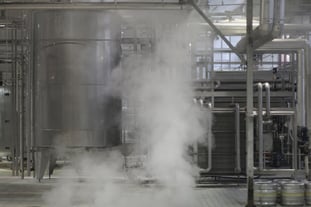
s, filters, and process equipment without dismantling, using controlled cycles of detergents, temperature, and flow to remove product residues, biofilms, and contaminants.
SIP follows with high-temperature steam sterilisation to eliminate microorganisms and ensure systems are safe for production.
Effective CIP/SIP design ensures:
- Reliable microbial control
- Reduced downtime and manual intervention
- Protection of filtration systems and membranes
- Consistent product quality and audit readiness
When properly engineered, CIP and SIP are not just cleaning steps they are integral to process performance and operational efficiency.
Read more in our blog: How CIP & SIP Can Extend Cartridge Filter Lifespan.
What Is Utility Filtration? 
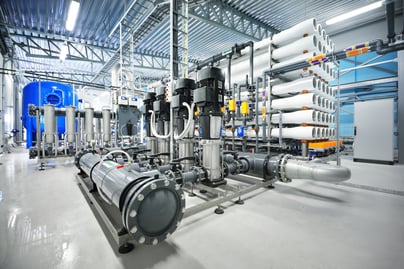
Utility filtration refers to filtration systems designed to clean and condition fluids used in support roles across manufacturing and processing environments rather than final product filtration. These include:
Utility fluids such as compressed air, steam, water and process gases are essential to industrial operations. Their quality directly affects product safety, equipment performance and regulatory compliance. Advanced utility filtration ensures contaminants are removed before they can compromise products or damage critical assets.
Effective utility filtration prevents contamination, improves product consistency, reduces maintenance costs, and supports regulatory compliance.
CLICK HERE TO READ MORE ON UTILITY FILTRATION SOLUTIONS
Key Filtration Challenges in the Manufacture of Dairy Products
Dairy manufacturing depends on clean, consistent and carefully controlled processing. Whether producing milk, cream, cheese, yogurt, whey protein, dairy beverages or nutritional products, unwanted particles, microorganisms and process contamination can affect product quality, reduce equipment performance and increase production downtime.
Cartridge filtration is not just a final safeguard. It is used throughout dairy manufacturing to protect products, equipment and process efficiency. It helps protect membranes, heat exchangers, spray dryers, fillers, tanks and utility systems, while supporting hygienic production and consistent finished product quality. From water and ingredients through to membranes, fermentation vessels, steam, air and final filling, the right filtration strategy can reduce risk, improve consistency and support profitable dairy production.
Dairy and alternative protein producers are facing increasing pressure to deliver safe, high-quality products while adapting to rapidly evolving consumer demands. From traditional milk and cheese to plant-based drinks and fermentation-derived proteins, modern formulations require precise control over microbiology, protein structure, and product consistency. As a result, dairy filtration has become a critical step in maintaining quality, safety, and efficiency across production.
Challenges Facing Producers
- Microbial Control: Managing bacteria and spoilage organisms without compromising taste or nutrition
- Protein Sensitivity: Protecting delicate protein structures during processing
- Product Innovation: Supporting growth in plant-based and high-protein formulations
- Operational Efficiency:
Advanced dairy and beverage filtration systems allow producers to meet regulatory standards, improve shelf life, and maintain consistent product quality across both dairy and alternative protein applications.
The first stage in dairy processing involves removing particulates, somatic cells, and impurities from raw milk or plant-based feedstocks. This initial clarification step ensures a clean and stable base for downstream processing.
Modern crossflow and membrane filtration systems provide more efficient clarification compared to traditional separation methods, reducing product loss while maintaining protein integrity.
Why It’s Essential
- Improves product consistency from the start
- Protects downstream filtration systems
- Reduces contamination risks
- Supports high-quality end products
Controlling microbial contamination is critical in both dairy and alternative protein production. Filtration is increasingly used alongside or instead of heat treatment to remove bacteria while preserving product quality.
Advanced membrane filtration in dairy processing allows for the removal of microorganisms without exposing products to high temperatures, maintaining flavour and nutritional value.
Why It’s Essential
- Extends shelf life without altering taste
- Supports clean-label production
- Reduces reliance on thermal processing
- Ensures compliance with food safety standards
Prefiltration plays a critical role in dairy and alternative protein processing, protecting final filtration stages from high solids, fats, and protein loads. Using cartridge-based dairy filtration systems, this stage removes particulates, aggregates, and process debris before they can impact downstream performance.
Depth and pleated cartridge filters are commonly used to handle challenging fluids such as milk, whey, and plant-based proteins. These filters are designed for high dirt-holding capacity, consistent flow rates, and compatibility with CIP processes, making them ideal for demanding production environments.
Why It’s Essential
- Protects sterile and final filters from premature fouling
- Extends service life and reduces changeout frequency
- Maintains consistent flow and production efficiency
- Supports reliable dairy filtration performance across varying feed conditions
Before packaging, dairy and alternative protein products undergo final filtration to remove any remaining particulates or microorganisms. This step ensures the product is safe, stable, and ready for distribution.
Modern dairy filtration systems use membrane and sterile filtration to achieve microbial stability without compromising texture or flavour, particularly important for sensitive or premium products.
Why It’s Essential
- Ensures product safety and consistency
- Extends shelf life
- Maintains taste, texture, and nutritional value
- Protects brand quality and reputation
Filtration is no longer just a processing step it is a key enabler of innovation across dairy and alternative protein sectors. As consumer demand shifts, dairy and beverage filtration systems allow producers to adapt quickly while maintaining quality.
How Filtration Supports Innovation
- Enables plant-based and alternative protein development
- Supports high-protein and functional dairy products
- Reduces need for additives through microbial control
- Improves sustainability through higher yields and reduced waste
Filtration allows producers to scale production, maintain consistency, and innovate confidently in a competitive and rapidly evolving market.
What our customers say ...
“Very quick response from the team at PoreFiltration. Great communication throughout. Very helpful in establishing the correct product for our application, and worked closely with us to get the product to us in order that we could meet a tight deadline. Excellent service all round :)”
Steven Sweeney
“Always great products and service. The first people I call whenever I have any issues filtering my products!"
Ben Carmichael
Talk to us today about your filtration requirements
-
Extensive product range
-
Best Price GUARANTEED!
-
Specialist support team with deep knowledge of liquid & gas applications
-
Reliable quality & delivery

