



Soft Drink Filtration
The Steps in Soft Drinks Filtration
.jpg?width=1414&height=2000&name=Soft%20Drinks%20(1).jpg)
Filtration of incoming water supply
Water used in soft drink production must first be conditioned to remove suspended solids, sediment and particulate matter that may be present from the source supply. Initial depth filtration provides an effective barrier against these contaminants, reducing turbidity and protecting downstream treatment stages.
This step ensures a stable and consistent feed water quality, preventing premature fouling of finer filters and supporting overall process efficiency from the outset.
Maintaining high-quality incoming water also helps safeguard product taste, clarity, and consistency, which are critical in soft drink production. Effective pre-filtration reduces the load on subsequent treatment processes, improving overall system reliability and reducing operational costs.
Recommended Product:
Membrane filtration to remove microbial contamination
Following pre-filtration, membrane filtration is used to remove microorganisms and reduce microbial load within the process water. This stage provides a high level of filtration accuracy, targeting bacteria and other potential contaminants that could impact product safety and stability.
By establishing microbiological control early in the process, it helps maintain product integrity, supports regulatory compliance and reduces the risk of spoilage in the final beverage.
Recommended Product:
Trap/Guard Filtration to remove particulate or agglomerations from sugar solutions or syrups
Sugar solutions and syrups can contain particulates, agglomerates or undissolved solids that may affect product consistency and downstream processing. Depth filtration is used to remove these contaminants, ensuring a uniform and clean ingredient stream before blending.
This step is essential for maintaining product clarity, preventing blockages in equipment and ensuring consistent taste and appearance across batches.
Effective filtration at this stage also helps reduce the risk of microbial growth associated with sugar-rich environments, improving overall product stability. Consistent syrup filtration ultimately supports reliable product quality and longer shelf life across high-volume production.
Recommended Product:
Carbon Dioxide (CO2)
Carbon dioxide used for carbonation must be free from contaminants such as particulates, oil residues and microorganisms before it is introduced into the product. Gas filtration ensures the purity of the CO₂ stream, protecting both the beverage and the carbonation system.
Effective filtration at this stage prevents contamination of the final product, safeguards flavour quality and ensures the consistency of carbonation in every batch.
Recommended Product:
Fine Filtration prior to bottling to ensure appearance
Before filling, the beverage undergoes final filtration to remove any remaining fine particles and, where required, achieve microbiological stability. This stage acts as a critical control point, ensuring the product meets required quality and shelf life expectations.
Final filtration protects product clarity, taste and overall quality, while also providing assurance that the beverage is free from spoilage organisms prior to packaging.
Recommended Products:
Bottle & Can Washing
Packaging materials such as bottles, cans and cartons must be thoroughly cleaned to prevent contamination entering the final product. Filtration is used within washing systems to remove particulates and contaminants from rinse water, ensuring effective cleaning performance.
This step plays a vital role in maintaining hygiene standards, protecting product integrity and ensuring that no external contamination compromises the safety or quality of the finished soft drink.
Recommended Product:
Soft drinks production relies on high‑quality water and ingredient filtration to deliver the clarity, stability and flavour modern consumers expect in carbonated and non‑carbonated beverages. With water often making up over 90% of the finished product, producers face increasing pressure to control taste variation, microbial stability and carbonation quality while meeting evolving consumer preferences for low‑sugar, clean‑label and preservative‑free formulations. We recognise that soft drink clarity, carbonation integrity and microbial control are critical to both consumer appeal and regulatory compliance. From incoming water treatment and syrup filtration to gas filtration for carbon dioxide and final microbial stabilisation, advanced filtration technologies address key quality challenges in soft drinks production.
Speak to an Expert
+44(0) 203 750 8060
Drop Us an Email
enquiries@porefiltration.co.uk
Food & Beverage Filtration Resources and Support
How can I stop haze or particles affecting the appearance of my soft drink?
Ingredients such as fruit extracts, sweeteners, and flavourings can create haze or sediment over time. Using soft drinks filtration systems with fine and membrane filtration removes unwanted particles while maintaining the drink’s intended appearance and flavour.
How do I prevent microbial contamination without using preservatives?
As demand grows for clean-label beverages, producers need alternatives to chemical preservatives. Membrane filtration for soft drinks removes microorganisms at the final stage, ensuring product safety and shelf life while maintaining a natural formulation.
Why is CO₂ filtration important in carbonated soft drinks?
Unfiltered CO₂ can introduce particles, oil, or microorganisms that affect taste and carbonation quality. Gas filtration in soft drinks production ensures clean, sterile CO₂, protecting flavour, carbonation consistency, and product integrity.
How can filtration support low-sugar and functional drink innovations?
New formulations, including low-sugar and functional beverages, often introduce more complex ingredients that can affect clarity and stability. Advanced beverage filtration solutions help remove haze and particulates while preserving flavour and active ingredients.
How can I reduce downtime and improve efficiency in my production line?
Frequent filter blockages and changeouts can slow production and increase costs. Optimised soft drinks filtration systems with the correct filter grades improve throughput, extend service life, and keep production running efficiently.
Soft Drinks Blogs:
-
Filtration Challenges in Water Used in Beverage Manufacturing
- Filtration of Syrup and Sugar Solutions Using Cartridge Filters
And here’s some of our most popular blogs on Food & Beverage filtration:
Commitment to quality is of paramount importance at PoreFiltration. We supply filtration solutions that help customers

protect their processes, meet regulatory requirements, and deliver consistent, high-quality finished products across industrial, food & beverage, chemical, and water applications. As such we have been certified to ISO9001, providing a quality management system that covers the entire organization for clarity and transparency in our processes.
Our Quality Commitment
Every PoreFiltration product is supplied with one clear objective: to perform reliably, consistently, and exactly as intended.
We are committed to:
- Meeting customer, regulatory, and application-specific requirements
- Supplying filtration products with consistent, repeatable performance
- Providing clear specifications, traceability, and technical guidance
- Continually improving our products, processes, and quality systems
If you need any more information on any aspect of quality management and assurance, then give us a call or send us an email - we’d be more than happy to help.
PoreFiltration is committed to supplying filtration products that support the highest standards of food safety and product integrity across the food and beverage industry. Our solutions are selected to meet the stringent requirements of manufacturers operating under globally recognised standards such as BRCGS Global Standard for Food Safety, as well as wider frameworks including HACCP, FDA compliance, and EU food contact regulations.
Our range of cartridge filters, bag filters, and associated housings are designed for use in food and beverage applications where hygiene, material traceability, and process reliability are critical. We work closely with leading manufacturers to ensure that all supplied filtration products are suitable for food contact applications and supported by appropriate documentation, including material certifications and conformity declarations where required.
PoreFiltration operates as a specialist distributor of industrial filtration products and components used within a wide range of processing environments. While we do not manufacture, process, store, or handle food products directly, we play a key role in supporting compliant and hygienic processing through the supply of high-quality filtration solutions.
Clean-In-Place (CIP) and Sterilise-In-Place (SIP) systems are critical to maintaining hygiene, product safety, and regulatory compliance in food, beverage, dairy, and pharmaceutical processing.
CIP enables the cleaning of pipelines, vessel
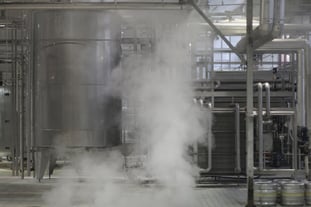
s, filters, and process equipment without dismantling, using controlled cycles of detergents, temperature, and flow to remove product residues, biofilms, and contaminants.
SIP follows with high-temperature steam sterilisation to eliminate microorganisms and ensure systems are safe for production.
Effective CIP/SIP design ensures:
- Reliable microbial control
- Reduced downtime and manual intervention
- Protection of filtration systems and membranes
- Consistent product quality and audit readiness
When properly engineered, CIP and SIP are not just cleaning steps they are integral to process performance and operational efficiency.
Read more in our blog: How CIP & SIP Can Extend Cartridge Filter Lifespan.
What Is Utility Filtration? 
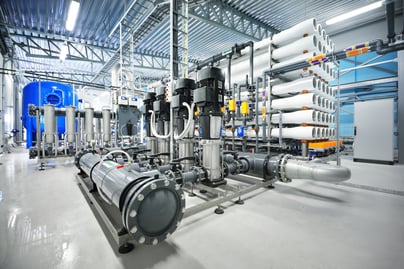
Utility filtration refers to filtration systems designed to clean and condition fluids used in support roles across manufacturing and processing environments rather than final product filtration. These include:
Utility fluids such as compressed air, steam, water and process gases are essential to industrial operations. Their quality directly affects product safety, equipment performance and regulatory compliance. Advanced utility filtration ensures contaminants are removed before they can compromise products or damage critical assets.
Effective utility filtration prevents contamination, improves product consistency, reduces maintenance costs, and supports regulatory compliance.
CLICK HERE TO READ MORE ON UTILITY FILTRATION SOLUTIONS
The Key Challenges in Soft Drinks Filtration
Soft drinks producers are under increasing pressure to deliver consistent taste, clarity, and shelf stability while adapting to evolving consumer trends such as low-sugar, clean-label, and functional beverages. These changes introduce greater complexity in formulations, with alternative sweeteners, flavourings, and additives increasing the risk of haze, instability, and batch variability.
Filtration has become essential for soft drinks manufacturers, ensuring high-quality water, flavours, and CO₂ while reducing the need for reprocessing and lowering operational costs.
Why It Matters
- Maintains “bright” product clarity expected by consumers
- Supports microbial control without preservatives
- Enables flexibility for multi-product production lines
- Reduces waste, downtime, and reprocessing
Water is the primary ingredient in soft drinks, and even minor variations in quality can impact taste, carbonation, and stability.
Incoming water treatment removes particulates, organics, and microorganisms before production begins, creating a consistent base for all formulations.Traditional systems such as sand filtration and chemical treatment are increasingly being replaced by membrane technologies which provide a stronger barrier to contamination and more reliable performance.
Why It’s Essential for Soft Drinks Producers
- Ensures consistent flavour and product profile
- Protects downstream equipment and RO systems
- Reduces variability from multiple water sources
- Supports high-efficiency, modern beverage filtration systems
Recommended Products:
Soft drinks rely on syrups, sweeteners, concentrates, and flavour additives all of which can introduce particulates, haze, or instability. Filtration at this stage removes undissolved solids and protects product clarity before mixing.
Modern trap filtration and particulate control systems allow producers to work with more complex formulations, including natural ingredients and functional additives, without compromising visual quality or stability.
Why It’s Essential
- Prevents haze formation and sediment in final product
- Maintains flavour consistency across batches
- Enables innovation in low-sugar and functional drinks
- Protects downstream filtration and filling systems
Utilities such as CO₂, compressed air, steam, and process water play a critical role in soft drinks production and can directly impact product quality. Without proper filtration, these utilities can introduce contaminants into the beverage.
Sterile gas filtration removes microorganisms from CO₂ used in carbonation, preventing contamination from bacteria, yeast, and mould. Modern PTFE membrane filters are designed to perform reliably even in humid production environments.
Utilities filtration also ensures water, steam, and air used in cleaning, sterilisation, and filling processes remain contaminant-free.
Why It’s Essential
- Protects carbonation quality and taste
- Prevents recontamination during filling
- Ensures microbiological stability in packaged products
- Supports consistent, high-speed production
After blending, the final product undergoes filtration to remove any remaining particulates or microorganisms before bottling or canning. This is the final critical control point in the soft drinks filtration process.
Membrane filtration technologies allow producers to achieve microbial stability without relying on preservatives or heat treatment, supporting clean-label beverage trends.
These systems are designed to operate efficiently on high-speed bottling lines while maintaining consistent product quality.
Why It’s Essential
- Ensures product clarity, taste, and shelf life
- Supports preservative-free formulations
- Protects brand reputation and product consistency
- Delivers a safe, stable product to the consumer
Filtration is no longer just a processing step it is a key enabler of innovation for modern soft drinks producers. As the industry evolves, filtration technologies allow manufacturers to develop new products while maintaining quality and efficiency.
How Filtration Supports Innovation
- Enables low-sugar and alternative sweetener formulations
- Supports functional beverages with added ingredients
- Maintains clarity in complex flavour systems
- Reduces reliance on preservatives through sterile filtration
- Protects carbonation and enhances product stability
Key Benefits for Producers
- Consistent product quality and appearance
- Extended shelf life and reduced waste
- Improved operational efficiency and reduced downtime
Flexibility to scale and diversify product ranges
What our customers say ...
Pore filtration have been a great help to us , We are a small specialist digital ink manufacturers and needed to be sure the ink was correctly filtered .this has been a problem for us for quite some time as our previous process was extremely slow . David at Porefiltration went through all our needs and processes with us and supplied us with exactly what we had been searching for . Our filtration is now assured and twenty times quicker than before . I highly recommend Pore filtration.”
Clive Lawes. M.D. Ikonmac Ltd
"High quality at competitive prices. Excellent availability and support from the entire sales and technical staff, focused on customer satisfaction"
Guiseppe Buttitta
Talk to us today about your filtration requirements
-
Extensive product range
-
Best Price GUARANTEED!
-
Specialist support team with deep knowledge of liquid & gas applications
-
Reliable quality & delivery

