



Cider Filtration
The Steps in Cider Filtration

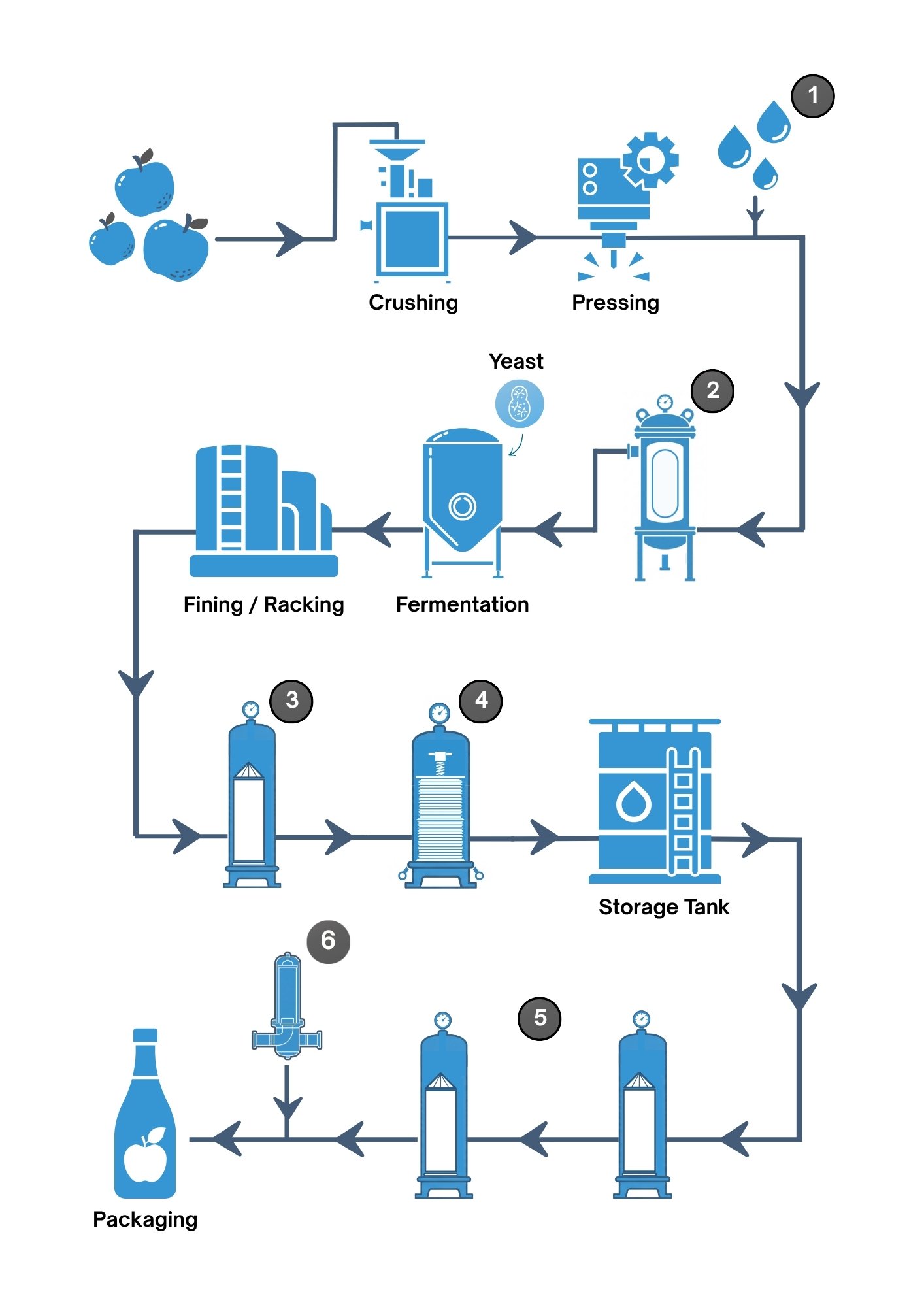
Incoming water supply
Raw water entering the facility is subjected to pre-treatment filtration to remove suspended solids, particulates, and distribution-derived sediments (e.g. rust, scale, or organic debris). This step typically employs bag filters or strainers to protect downstream equipment and maintain process consistency.
Effective water filtration is critical as water quality directly impacts product consistency, taste, and overall process performance. Removing contaminants at this stage helps prevent equipment fouling, scaling, and unplanned downtime further along the production line.
Recommended Products:
Coarse Filtration
Following juice extraction by crushing and pressing, the cider is passed through coarse filtration systems designed to remove solids such as fruit pulp, skins, and seeds prior to fermentation.
Recommended Products:
Trap Filtration
Trap filtration acts as a protective barrier stage, capturing possible residual filter aids and agglomerated solids following fining and racking. This stage helps to stabilise and clarify the product prior to fine filtration.
Recommended Products:
Polishing
Polishing is a clarification step targeting colloidal particles, including proteins, polyphenols, and pectin complexes that may contribute to haze formation or membrane fouling. Filtration is typically conducted using fine depth media ensuring improved brilliance and visual clarity.
Recommended Products:
- Lenticular Modules (typical grades: 1–5 µm, depending on clarity target)
- ClearPore Depth Filter Sheets
Fine & Final Filtration
This critical stage ensures microbiological stability and product consistency prior to packaging. A staged approach is often used:
This step is essential for producing a clear, bright, and shelf-stable product without the need for pasteurisation.
Optimising this stage helps prevent haze formation, sediment, and refermentation in the bottle, which are common quality concerns in cider production. By implementing the correct depth pre-filtration and membrane filtration combination, producers can maintain product clarity while maximising filter life and process efficiency. Consistent fine and final filtration also supports longer shelf life and stable flavour profiles, ensuring the cider reaches consumers exactly as intended.
Recommended Products:
Gas sterilization
Gases are essential throughout cider production, from carbon dioxide used for carbonation to nitrogen for blanketing and line flushing, and air for pneumatic systems and tank venting. To protect product quality, each of these gases must be carefully filtered to remove particulates and prevent microbial contamination.
Inline sterile gas filtration plays a critical role in this process, ensuring that unwanted yeast, moulds, and bacteria are not introduced into the cider via gas streams. Without this level of control, there is a risk of refermentation in bottle, off-flavours, and spoilage in the final packaged product.
Recommended Products:
Cider production presents a number of technical challenges, from maintaining product clarity and flavour stability to ensuring microbiological safety and minimizing product loss. Cider’s naturally high sugar content increases the risk of microbial growth and can accelerate filter fouling by contributing to higher viscosity and the buildup of pectins and other colloidal materials. By applying effective filtration and process control throughout the production stages—from juice preparation to final packaging—producers can significantly reduce waste while protecting product quality and consistency.
Speak to an Expert
+44(0) 203 750 8060
Drop Us an Email
enquiries@porefiltration.co.uk
Cider Filtration Resources and Support
Why cider often plugs membrane filters faster than beer or wine?
Cider’s composition creates a much heavier colloidal and polysaccharide load. Even when cider appears visually clear, it typically contains a large number of fine, filter-blocking particles that membranes are not designed to handle without strong prefiltration.
Why is filtration important in cider production?
It removes yeast, fruit solids, pectin haze, and other suspended particles that can make cider appear cloudy or unstable. Proper filtration improves clarity, enhances shelf life, and helps prevent further fermentation in the bottle or keg. Many cider producers use staged filtration, starting with coarse filters to remove large particles and finishing with fine or membrane filters to achieve bright, microbiologically stable cider.
What micron filter is typically used for cider filtration?
The micron rating used for cider filtration depends on the stage of production. Coarse filtration often uses filters between 5–10 microns to remove pulp and larger particles. Polishing filtration commonly uses 1–3 micron filters to improve clarity. For final microbial stabilisation before bottling, some producers use 0.65 or 0.45 micron membrane filters to remove yeast and spoilage microorganisms while preserving flavour and aroma.
What type of filters are used for cider filtration?
It depends on the clarity and stability required. Common options include depth cartridge filters, pleated cartridge filters, lenticular modules, and membrane filters. Depth filters are often used for pre-filtration because they can handle higher particle loads, while pleated or membrane filters are typically used as final polishing filters to produce brilliant, shelf-stable cider.
Can cider be filtered without removing flavour?
Yes. Properly designed filtration systems remove particles and microorganisms without significantly affecting flavour, aroma, or mouthfeel. Selecting the correct filter media, pore size, and flow rate is critical. Overly tight filtration too early in the process can strip desirable components, so many cider producers use progressive filtration stages to gently clarify cider while preserving its natural character.
Cider Blogs:
- Cartridge Filtration in Cider: Key Challenges & Practical Solutions
- Why Cider Blocks Membrane Filters Faster Than Beer or Wine
And here’s some of our most popular blogs on Food & Beverage filtration:
Commitment to quality is of paramount importance at PoreFiltration. We supply filtration solutions that help customers

protect their processes, meet regulatory requirements, and deliver consistent, high-quality finished products across industrial, food & beverage, chemical, and water applications. As such we have been certified to ISO9001, providing a quality management system that covers the entire organization for clarity and transparency in our processes.
Our Quality Commitment
Every PoreFiltration product is supplied with one clear objective: to perform reliably, consistently, and exactly as intended.
We are committed to:
- Meeting customer, regulatory, and application-specific requirements
- Supplying filtration products with consistent, repeatable performance
- Providing clear specifications, traceability, and technical guidance
- Continually improving our products, processes, and quality systems
If you need any more information on any aspect of quality management and assurance, then give us a call or send us an email - we’d be more than happy to help.
PoreFiltration is committed to supplying filtration products that support the highest standards of food safety and product integrity across the food and beverage industry. Our solutions are selected to meet the stringent requirements of manufacturers operating under globally recognised standards such as BRCGS Global Standard for Food Safety, as well as wider frameworks including HACCP, FDA compliance, and EU food contact regulations.
Our range of cartridge filters, bag filters, and associated housings are designed for use in food and beverage applications where hygiene, material traceability, and process reliability are critical. We work closely with leading manufacturers to ensure that all supplied filtration products are suitable for food contact applications and supported by appropriate documentation, including material certifications and conformity declarations where required.
PoreFiltration operates as a specialist distributor of industrial filtration products and components used within a wide range of processing environments. While we do not manufacture, process, store, or handle food products directly, we play a key role in supporting compliant and hygienic processing through the supply of high-quality filtration solutions.
Clean-In-Place (CIP) and Sterilise-In-Place (SIP) systems are critical to maintaining hygiene, product safety, and regulatory compliance in food, beverage, dairy, and pharmaceutical processing.
CIP enables the cleaning of pipelines, vessel
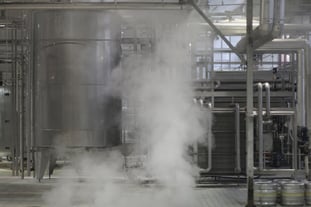
s, filters, and process equipment without dismantling, using controlled cycles of detergents, temperature, and flow to remove product residues, biofilms, and contaminants.
SIP follows with high-temperature steam sterilisation to eliminate microorganisms and ensure systems are safe for production.
Effective CIP/SIP design ensures:
- Reliable microbial control
- Reduced downtime and manual intervention
- Protection of filtration systems and membranes
- Consistent product quality and audit readiness
When properly engineered, CIP and SIP are not just cleaning steps they are integral to process performance and operational efficiency.
Read more in our blog: How CIP & SIP Can Extend Cartridge Filter Lifespan.
What Is Utility Filtration? 
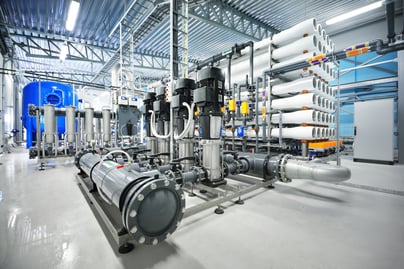
Utility filtration refers to filtration systems designed to clean and condition fluids used in support roles across manufacturing and processing environments rather than final product filtration. These include:
Utility fluids such as compressed air, steam, water and process gases are essential to industrial operations. Their quality directly affects product safety, equipment performance and regulatory compliance. Advanced utility filtration ensures contaminants are removed before they can compromise products or damage critical assets.
Effective utility filtration prevents contamination, improves product consistency, reduces maintenance costs, and supports regulatory compliance.
CLICK HERE TO READ MORE ON UTILITY FILTRATION SOLUTIONS
Where are Filters used within Cider Making?
High-quality cider starts with effective filtration. Whether you are a craft cidermaker or a large-scale producer, the right filtration system is essential for achieving clarity, consistency, and shelf stability.
Our cider filtration solutions are designed specifically for brewers and beverage producers, helping you remove contaminants, protect your process, and deliver a clean, bright final product—without compromising flavour.
In cider production, contamination can enter through water, CO₂, compressed air, and steam. Without proper filtration, these inputs can introduce particles and microorganisms that impact product quality.
Our range of hygienic liquid filter housings and gas filter housings and membrane cartridge filters ensures your process remains protected from start to finish. By combining depth filters and membrane filtration, you can effectively remove unwanted contaminants and maintain consistent production standards.
During cider making, solids such as pulp, pectin, and yeast remain after pressing and fermentation. These must be removed to achieve the clarity expected in finished cider.
Our depth filters, bag filters, lenticular depth filters, and filter cartridges are ideal for cider clarification, offering high dirt-holding capacity and efficient removal of suspended solids. As a key stage in cider filtration, pre-filtration reduces load on final filters, improves performance, and lowers operating costs.
Final filtration is critical in cider production to ensure microbiological stability before packaging. Removing yeast and bacteria prevents re-fermentation, haze formation, and off-flavours in the finished product.
Our membrane filtration systems, including PES cartridge filters, provide reliable microbial control for cider makers. This method of cold filtration for cider preserves taste and aroma, offering a proven alternative to pasteurisation.
The use of asymmetric PES membrane filters enables long filter life that can be further extended in combination with polypropylene or glass fibre prefiltration products. The choice of prefiltration product depends on CIP and SIP procedures used by the brewer. All cartridges are housed in hygienic cartridge housings. This type of installation has become common in breweries of all scales and has become a viable alternative to pasteurisation, primarily because there is no impact on flavour and taste of the beer.
Within a cidery water, air, CO2 and steam are the primary liquids and gases used to support the manufacturing process. Ensuring the quality of these leads to efficient and effective manufacturing process, but further prevents possible contaminates entering the brewing process via these sources. The use of both depth and membranes filters acts a guarantee of their quality, so that the brewer has peace of mind to focus his attention elsewhere in the brewing process.
Whether you are producing beer or cider, filtration plays a key role in product quality and consistency. Our solutions are trusted by brewers and cider producers across the UK for:
- Cider and beer clarification
- Pre-filtration and guard filtration
- Final membrane filtration
- Filtration of water, gases, and process liquids
All systems are supplied in hygienic stainless steel housings, designed for food and beverage applications and compatible with CIP/SIP cleaning processes.
Cider production can vary depending on apple varieties, seasonal changes, and processing methods. Our filtration systems are designed to handle these variations while maintaining performance and cost-efficiency.
What our customers say ...
“Very quick response from the team at PoreFiltration. Great communication throughout. Very helpful in establishing the correct product for our application, and worked closely with us to get the product to us in order that we could meet a tight deadline. Excellent service all round :)”
Steven Sweeney
“Always great products and service. The first people I call whenever I have any issues filtering my products!"
Ben Carmichael
Talk to us today about your filtration requirements
-
Extensive product range
-
Best Price GUARANTEED!
-
Specialist support team with deep knowledge of liquid & gas applications
-
Reliable quality & delivery

