


The rapid growth of low and no alcohol beer has created both opportunity and technical challenge for brewers. While traditional beers benefit from alcohol’s natural preservative effect, reduced or absent alcohol levels significantly increase microbiological risk and stability concerns.
The rapid growth of low and no alcohol beer has created both opportunity and technical challenge for brewers. While traditional beers benefit from alcohol’s natural preservative effect, reduced or absent alcohol levels significantly increase microbiological risk and stability concerns.
As a result, cold pasteurisation via membrane filtration has become a critical process step—offering microbial control without compromising flavour or quality. In particular, aseptic filtration beer systems are now widely adopted to ensure consistent product safety and performance.
Low Alcohol Beer Stability Issues
Low alcohol beers (typically <0.5–1.2% ABV) sit in a difficult middle ground. While they still contain some alcohol, it is often not sufficient to inhibit microbial growth effectively. Combined with:
- Residual fermentable sugars
- Lower bitterness levels
- Reduced preservative effect overall
These beers are more susceptible to spoilage organisms beer brewing environments commonly encounter, such as wild yeast and lactic acid bacteria.
Achieving microbial stability beer producers can rely on requires a robust final barrier. Membrane filtration delivers this by physically removing contaminants, rather than relying on alcohol or heat.
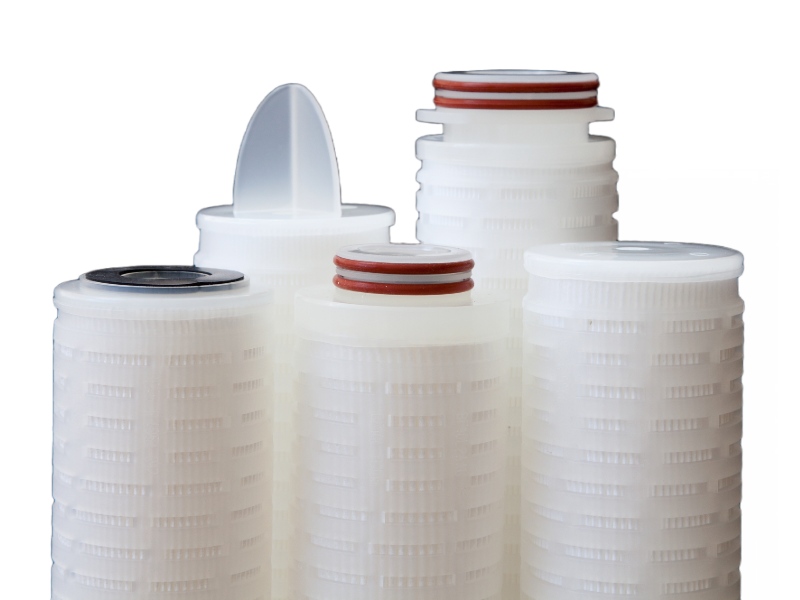
View our range of membrane filters.
No Alcohol Beer Shelf Life
No alcohol beer (0.0% ABV) presents an even greater challenge. With no alcohol present, shelf life depends entirely on process control and final product sterility.
This is where aseptic filtration beer processes play a vital role. By using defined membrane pore size brewing specifications (typically 0.45 µm or tighter), brewers can reliably achieve:
- Effective yeast and bacteria removal filtration
- Extended shelf life without thermal damage
- Consistent batch-to-batch stability
In many cases, this approach replaces heat-based systems entirely.
Contamination Control in Brewing
Contamination risks increase significantly in low/no alcohol production, especially where dealcoholisation or arrested fermentation techniques are used.
Typical risks include:
- Post-processing contamination
- Biofilm formation in process lines
- Introduction of spoilage organisms during transfers
Final membrane filtration acts as a critical control point, ensuring:
- Complete yeast and bacteria removal filtration
- Protection against downstream contamination
- A defined and validated microbial barrier
To support this, filter integrity testing beer applications require (such as bubble point or diffusion testing) ensures that the membrane is performing as expected before and after use—providing confidence in product sterility.
Maintaining Mouthfeel in Low Acohol Beer
One of the biggest challenges in low alcohol brewing is preserving body and mouthfeel, which are often reduced alongside alcohol content.
Thermal processes can further degrade:
- Proteins
- Polysaccharides
- Foam-positive compounds
By contrast, cold filtration—especially when compared in the debate of cold stabilisation vs pasteurisation—offers a clear advantage. It avoids heat entirely, helping retain:
- Natural viscosity
- Head retention
- Full sensory profile
This is essential for producing premium low alcohol beers that meet consumer expectations.
Flavour Loss from Pasteurisation
Traditional pasteurisation exposes beer to elevated temperatures, often resulting in:
- Loss of volatile aroma compounds
- Cooked or caramelised flavour notes
- Accelerated oxidation and staling
For low and no alcohol beers, these effects are magnified due to their lighter flavour profiles.
Cold filtration eliminates these risks. By avoiding heat and utilising precise membrane pore size brewing control, brewers can:
- Preserve delicate hop aromas
- Maintain freshness
- Deliver a cleaner, truer-to-style beer
Brewing Process Cost Reduction
Replacing thermal pasteurisation with membrane-based cold filtration delivers clear and measurable economic benefits, particularly as energy and utility costs continue to rise.
Key cost-saving areas include:
Energy consumption reduction
Pasteurisation requires significant energy input for heating and subsequent cooling. Cold filtration removes this entirely, leading to:
- Lower electricity and gas usage
- Reduced carbon footprint
- More predictable operating costs
Water usage savings
Thermal systems demand high volumes of water for:
- Heat exchange
- Cooling cycles
- Cleaning
Cold filtration systems typically require less water, directly reducing utility costs and wastewater treatment requirements.
Higher product yield
Pasteurisation can result in:
- Evaporation losses
- Increased dissolved oxygen pickup
- Product degradation leading to rejects
Filtration improves yield by maintaining product integrity and reducing waste.
Reduced maintenance and downtime
Pasteurisers are complex, high-maintenance systems with:
- Heat exchangers
- Pumps and valves exposed to thermal stress
- Scaling and fouling issues
Filtration systems are generally simpler, with predictable maintenance schedules and faster turnaround—reducing downtime and labour costs.
Lower total cost of ownership (TCO)
When factoring in:
- Energy
- Water
- Maintenance
- Product loss
... cold filtration often delivers a lower overall cost compared to pasteurisation, particularly for breweries scaling low and no alcohol production.
Brewery Efficiency Improvement
Cold filtration systems can significantly improve brewery operations by:
- Eliminating heating and cooling cycles
- Reducing process time
- Increasing overall throughput
Modern filtration setups designed for aseptic filtration beer production also offer:
- Compact system design
- Easy cartridge change-out
- Full compatibility with CIP and automation
This results in improved consistency, reduced downtime, and greater operational flexibility.
Final Thoughts
As the demand for low and no alcohol beer continues to grow, brewers face the challenge of delivering products that are both microbiologically stable and high in sensory quality.
Cold pasteurisation through membrane filtration provides the solution by enabling:
- Reliable microbial stability beer requires
- Effective control of spoilage organisms beer brewing must eliminate
- Proven yeast and bacteria removal filtration performance
- Protection of flavour and mouthfeel without heat damage
When combined with proper filter integrity testing beer processes depend on, filtration becomes more than just a process step—it becomes a critical quality assurance tool.
Crucially, the shift from pasteurisation to cold filtration is not just a quality decision—it is an economic one, delivering meaningful reductions in operating costs while improving product performance.
For modern breweries, filtration is no longer optional—it is a key enabler of both profitability and success in the low and no alcohol beer market.
If you have any questions about cold pasteurisation in brewing or about brewing more generally, then give us a call or send us an email - we’d be more than happy to help.
And here are a few more blogs and links that you might find useful:
- Sterile Beer Filtration: Protecting Flavour, Stability & Shelf Life
- Choosing the Right Cartridge Filters for Prefiltration
- Membrane Cartridge Filters Explained by Micron Rating
- And here you can browse our full range of Membrane Filters or read more about Brewing in general.
PoreFiltration – Making your filtration systems work harder