


Mastering the Filter Replacement Process: Tips for a Smooth Transition
Explore the key steps and strategies for a seamless transition when replacing filters in your equipment.
Understanding the Importance of Regular Filter Replacement
Regular filter replacement is essential for maintaining the performance, efficiency and reliability of filtration equipment.
Over time, filters accumulate dirt, debris and other contaminants. As this material builds up, resistance to flow increases and the filter becomes less effective. This can place additional pressure on the wider system, reduce operating efficiency and eventually contribute to unexpected downtime or equipment damage.
Replacing filters at the appropriate time helps maintain consistent performance, protect downstream equipment and extend the operating life of the system.
Why Regular Filter Replacement Matters
A filter is designed to capture contaminants before they reach sensitive equipment, production processes or the surrounding environment. However, every filter has a limited dirt-holding capacity.
Once that capacity is reached, the filter may:
- Restrict airflow or liquid flow
- Increase differential pressure
- Reduce system efficiency
- Place additional strain on pumps, fans or other components
- Allow process performance to become inconsistent
- Increase the risk of unplanned downtime
- Compromise the required level of filtration
Regular replacement helps prevent these issues and ensures the filtration system continues to perform as intended.
In air-filtration applications, timely replacement can also help maintain indoor air quality and reduce the circulation of dust and other airborne contaminants. This is especially important in environments where air cleanliness supports employee health, product quality or process control.
Selecting the Right Replacement Filter
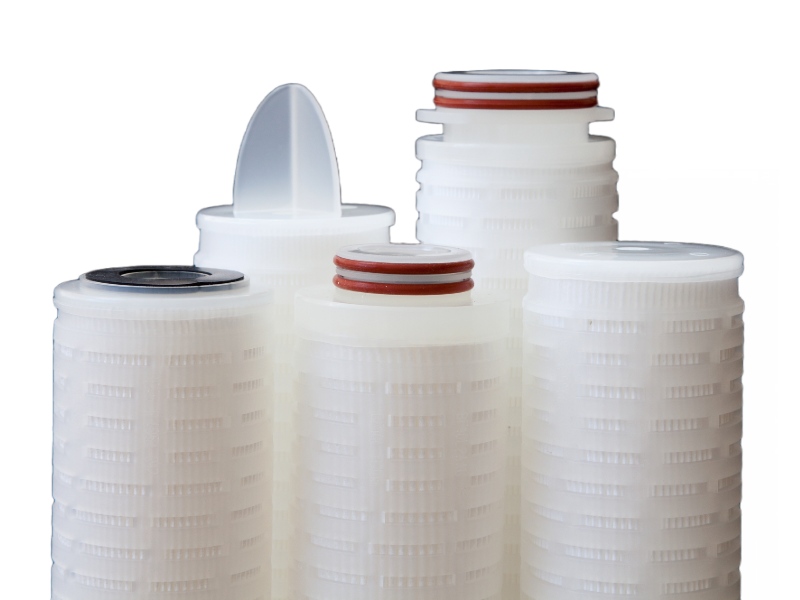
When replacing a filter, it is important to select the correct specification for the equipment and application.
Not all filters perform in the same way. Using an unsuitable replacement may reduce filtration efficiency, restrict flow or potentially damage the wider system.
Before selecting a filter, consider:
- Filter dimensions
- Required filtration efficiency
- Micron rating
- Filter-media material
- Compatibility with the process fluid or gas
- Operating temperature
- Expected flow rate
- Maximum differential pressure
- Required service life
- Cost of ownership
Start by reviewing the equipment manufacturer’s specifications and the requirements of the process.
It may also be helpful to consult a filtration specialist who can assess the application and recommend a suitable filter based on the contaminants present, operating conditions and required level of protection.
Preparing for Filter Replacement
Proper preparation helps ensure the filter can be replaced safely and efficiently.
Before beginning the replacement process:
- Gather the required tools, replacement parts and personal protective equipment.
- Review the filter replacement instructions provided by the equipment or filter manufacturer.
- Shut down the equipment and isolate any power, pressure or process supply where required.
- Allow the system to cool or depressurise before opening the filter housing.
- Inspect the existing installation and note the orientation of the old filter.
- Prepare a suitable container or disposal method for the used filter.
The exact procedure will depend on the equipment and application. Always follow the relevant site safety procedures and manufacturer guidance.
Replacing the Filter Correctly
Careful installation is important for maintaining filtration performance and avoiding leaks, bypass or equipment damage.
A typical replacement process may include the following steps:
- Carefully remove the used filter without applying excessive force to the housing or surrounding components.
- Inspect and clean the filter housing or compartment to remove accumulated dirt, debris or process residue.
- Check seals, O-rings and sealing surfaces for wear or damage.
- Install the new filter in the correct orientation and according to the manufacturer’s instructions.
- Confirm that the filter is properly aligned and securely fitted.
- Close and secure the housing.
- Reconnect the equipment and gradually return the system to normal operating conditions.
- Check for leaks, unusual pressure changes or other signs of incorrect installation.
Where relevant, the system may also require venting, flushing, sanitisation or integrity testing before production resumes.
Monitoring the New Filter
Filter maintenance should continue after the replacement has been completed.
Regular monitoring can help identify changes in performance before they develop into larger operational problems.
Useful checks include:
- Inspecting the filter or housing for visible damage
- Monitoring differential pressure
- Checking airflow or liquid flow
- Reviewing changes in process performance
- Looking for leaks or signs of filter bypass
- Confirming that the required product or air quality is being maintained
- Recording the installation and replacement date
Filters should be changed according to their condition and the requirements of the process, rather than relying only on a fixed calendar schedule.
Where possible, differential-pressure readings and other performance data can be used to establish more accurate replacement intervals.
Creating a Filter Maintenance Record
Keeping accurate maintenance records can help improve filter management across a site.
A simple filter record may include:
- Equipment or housing reference
- Filter type and part number
- Micron rating
- Installation date
- Replacement date
- Differential pressure at installation
- Differential pressure at replacement
- Reason for replacement
- Any unusual observations
- Name of the person completing the work
Over time, this information can help identify recurring problems, estimate cartridge life and improve replacement planning.
Improving Filter Life and System Performance
If filters are blocking or requiring replacement more frequently than expected, simply changing them more often may not address the underlying issue.
Possible causes include:
- Increased contaminant loading
- An unsuitable micron rating
- Inadequate upstream prefiltration
- Changes in process conditions
- Excessive flow rate
- Incorrect filter sizing
- Damaged seals or filter bypass
- A filter material that is unsuitable for the application
Reviewing the complete filtration process can often identify opportunities to extend filter life, reduce replacement costs and improve overall system reliability.
How PoreFiltration Can Help
Selecting the correct replacement filter depends on the equipment, operating conditions, contaminants present and the level of filtration required.
PoreFiltration can help assess your application and identify a suitable filter specification, whether you are replacing an existing cartridge, troubleshooting reduced filter life or reviewing the wider filtration system. Just give us a call or send us an email - we’d be more than happy to help.