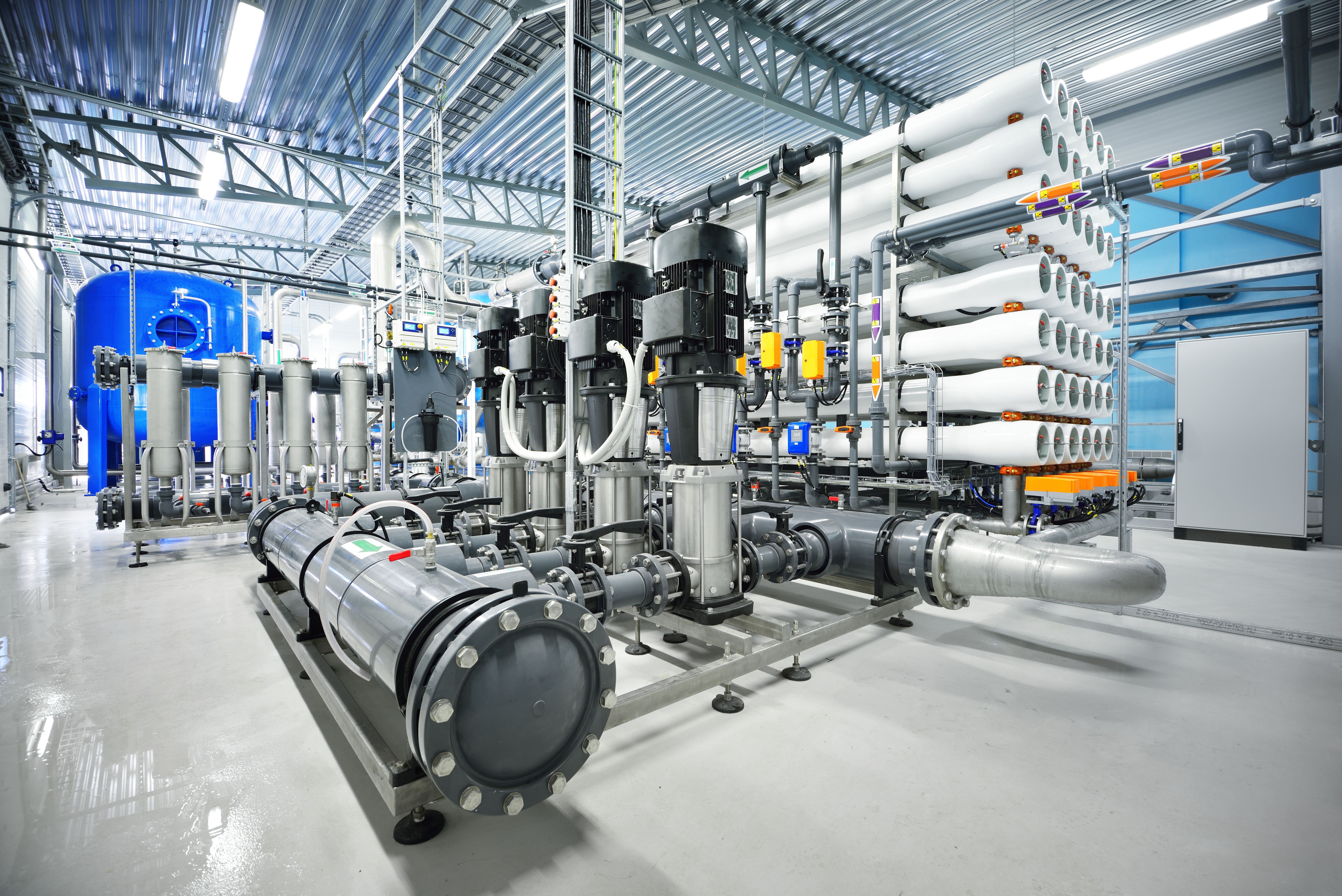



Reverse osmosis (RO) is often viewed as the heart of an ultrapure water system. Whether supplying pharmaceutical manufacturing, electronics production, laboratories, or high-purity industrial processes, RO technology plays a critical role in removing dissolved contaminants and producing high-quality water.
However, many operators focus heavily on the RO membranes themselves while overlooking an equally important factor: filtration in ultrapure water systems before and after the RO stage.
When filtration is poorly designed, incorrectly sized, or inadequately maintained, membrane fouling can occur rapidly. The result is reduced performance, increased operating costs, more frequent cleaning cycles, and premature membrane replacement.
If your RO system isn't performing as expected, the problem may not be the membrane – it could be your filtration strategy.
What Is RO Membrane Fouling?
RO membranes are designed to remove dissolved salts, organic compounds, bacteria, and other impurities from water. Over time, contaminants accumulate on the membrane surface, restricting flow and reducing efficiency.
This process is known as membrane fouling.
Common signs include:
- Reduced permeate flow
- Increased differential pressure
- Higher energy consumption
- Reduced water quality
- More frequent cleaning requirements
- Shortened membrane lifespan
While some fouling is inevitable, excessive fouling often indicates deficiencies elsewhere in the water treatment process.
The Hidden Cause: Inadequate Pre-Filtration
One of the most common causes of RO performance issues is insufficient pre-filtration.
Many facilities assume that because municipal water appears clear, it poses little risk to membranes. In reality, even treated mains water can contain:
- Fine particulates
- Colloidal materials
- Pipe corrosion debris
- Organic matter
- Seasonal turbidity variations
- Biofilm fragments
These contaminants gradually accumulate on membrane surfaces and contribute to fouling.
Effective ultrapure water filtration begins long before water reaches the RO skid.
Why Pre-Filtration Matters in Ultrapure Water Systems
Think of pre-filtration as insurance for your RO investment.
RO membranes represent one of the most expensive consumable components within a high-purity water system. Protecting them with properly selected filtration can significantly reduce operational costs.
Benefits include:
- Longer membrane life
- Reduced cleaning frequency
- Improved permeate quality
- Lower energy consumption
- Reduced maintenance downtime
- More consistent ultrapure water production
For many facilities, improving filtration can deliver a faster return on investment than replacing membranes.
Common Pre-Filtration Mistakes
Using the Wrong Micron Rating
Selecting the wrong filter micron rating can leave membranes exposed to damaging particles.
Filters that are too coarse may allow contaminants to pass through, while overly fine filters can cause unnecessary pressure drops and increased replacement costs.
The correct filtration strategy depends on:
- Feed water quality
- SDI (Silt Density Index)
- Process requirements
- Membrane specifications
A one-size-fits-all approach rarely works.
Relying on Surface Filters Alone
Not all filter cartridges perform equally.
Surface filtration captures contaminants on the outer layer of the media. While effective in certain applications, these filters can blind quickly when exposed to high particulate loads.
Depth filtration cartridges offer greater dirt-holding capacity by trapping particles throughout the filter structure.
For many ultrapure water applications, depth filtration provides superior membrane protection and longer service intervals.
Ignoring Seasonal Water Quality Changes
Municipal water quality changes throughout the year.
Heavy rainfall, infrastructure maintenance, and fluctuations in treatment processes can increase particulate loading without operators immediately noticing.
Many RO systems that perform well in winter experience increased fouling during periods of elevated turbidity.
Regular monitoring and filtration reviews help prevent these seasonal challenges from becoming costly operational problems.
Filtration After RO Is Just as Important
Many facilities assume that once water passes through the RO membrane, contamination risks disappear.
In reality, post-RO contamination is a major challenge within ultrapure water systems.
Potential contamination sources include:
- Storage tanks
- Distribution loops
- Pipework
- Valves
- Dead legs
- Atmospheric exposure
Even small amounts of particulate or microbial contamination can compromise water quality.
This is particularly important in:
- Pharmaceutical production
- Semiconductor manufacturing
- Biotechnology facilities
- Analytical laboratories
- Medical device manufacturing
The Role of Final Filtration in Ultrapure Water Systems
Final membrane filtration acts as a critical safeguard before water reaches the point of use.
High-performance membrane filters can help remove:
- Fine particulates
- Bacteria
- Microorganisms
- Process-generated contamination
This final barrier helps maintain water quality throughout storage and distribution systems.
For facilities operating under strict quality standards, point-of-use filtration provides an additional layer of protection against unexpected contamination events.
Vent Filtration: The Often Forgotten Component
One frequently overlooked aspect of filtration in ultrapure water systems is tank vent protection.
As storage tanks fill and empty, air enters and exits the vessel.
Without appropriate vent filtration, airborne contaminants may enter the system, including:
- Dust
- Bacteria
- Mould spores
- Environmental particulates
A properly specified vent filter helps maintain system integrity while protecting valuable downstream treatment equipment.
How to Know If Your Filtration Strategy Needs Reviewing
You may benefit from a filtration assessment if you are experiencing:
- Frequent membrane cleaning
- Rising differential pressure
- Reduced RO performance
- Unexpected particle counts
- Inconsistent water quality
- Short membrane lifespan
- Increased maintenance costs
- Unexplained contamination events
In many cases, the root cause can be traced back to inadequate filtration rather than membrane failure itself.
Optimising Filtration for Long-Term RO Performance
An effective ultrapure water system should be viewed as a complete treatment process rather than a standalone RO installation.
Successful systems typically combine:
Pre-Filtration
Removal of suspended solids and particulate contamination before RO.
RO Treatment
Reduction of dissolved contaminants and ionic impurities.
Post-Filtration
Protection against downstream contamination and particle generation.
Vent Filtration
Protection of storage tanks and distribution systems from airborne contamination.
Together, these stages help maximise membrane life, improve reliability, and maintain consistent ultrapure water quality.
Conclusion
RO membranes often receive the most attention in ultrapure water treatment systems, but they are only one part of the process.
The most reliable and cost-effective systems recognise the importance of filtration in ultrapure water systems at every stage—from pre-treatment through to final point-of-use protection.
By implementing the correct filtration strategy, facilities can reduce membrane fouling, lower operating costs, improve water quality, and achieve more consistent process performance.
If your RO system is fouling faster than expected, the solution may not be replacing the membranes. It may simply be improving the filtration that protects them.
To learn more about how PoreFiltration can help with RO membrane protection or any of the filtration stages in ultrapure wter treatment, then contact our team today - give us a call or send us an email - we’d be more than happy to help.
And here are a few more blogs and links that you might find useful:
- Porefiltration’s range of RO membrane protection solutions:
- Cartridge Filtration for Process & Ultrapure Water: Challenges & Solutions
- What is a Reverse Osmosis System
- 3 Common Problems Cause RO Membranes to Operate Poorly
PoreFiltration – Making your filtration systems work harder

.jpg)